When Kindness Kills: New Research Reveals Why Feeding Wild Elephants is Never Harmless

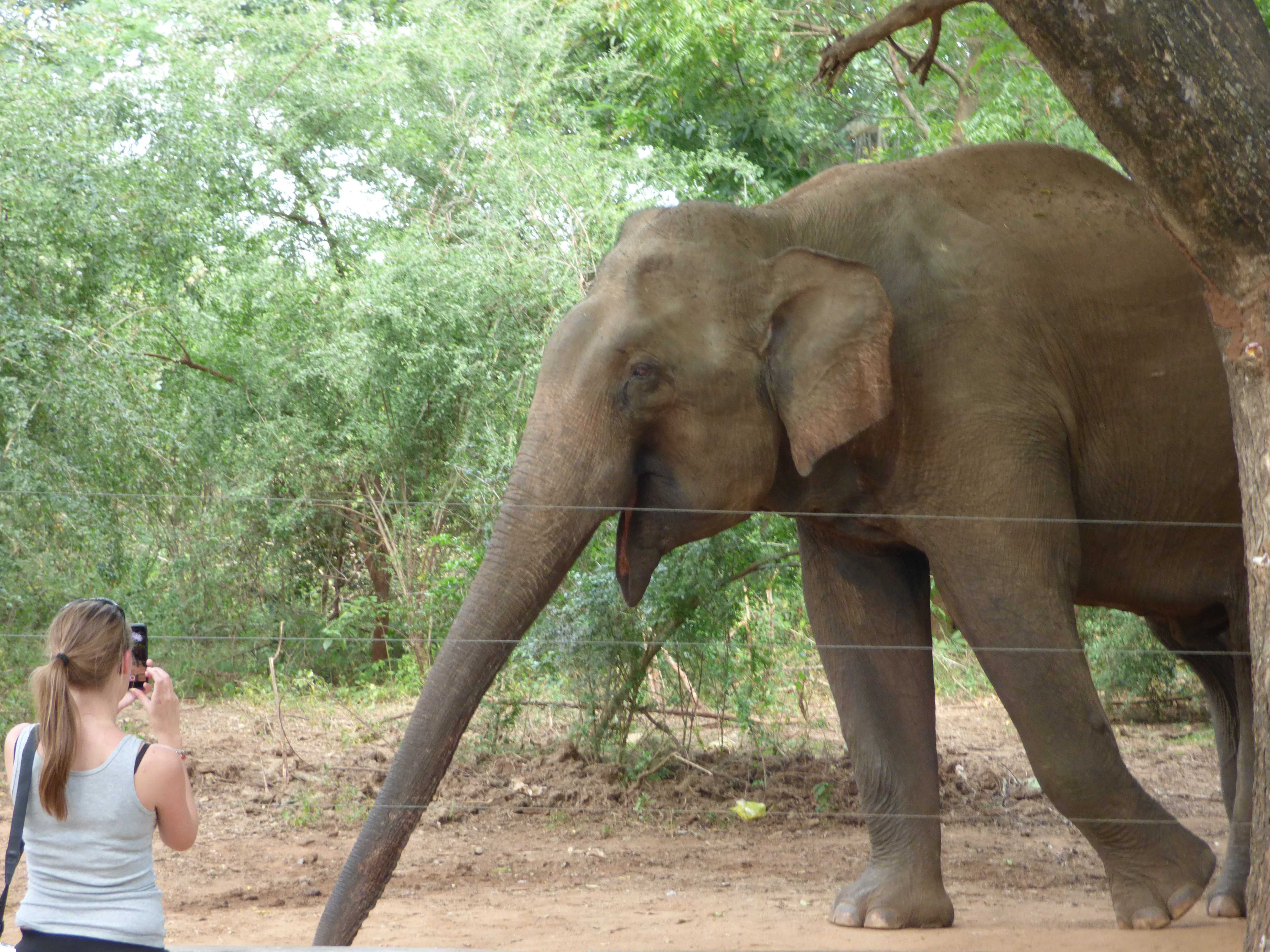
Itโ€™s a quiet morning at the southern boundary of Udawalawe National Park, Sri Lanka. The light is soft, dew clings to the fence posts, and tourists gather expectantly beside the electric line. In their hands, some corn and smartphones. On the other side, shadows shift into focus, a male, unmistakably massive and composed, stretches his trunk toward the fence in an imploring motion. The corn lands at his feet. He clenches it with his trunk. Cameras click. Children giggle. A perfect moment. 

To the casual observer, it feels intimate and even harmless.  

But behind this feel-good interaction lies a troubling truth. These elephants arenโ€™t here for casual curiosity; theyโ€™ve learned that this fence means food!

Across the range of the endangered Asian elephant, an insidious conservation crisis is unfolding. New research published in Ecological Solutions and Evidence by Dr. Shermin de Silva and colleagues reveals the hidden dangers of this seemingly innocent practice. Tourists eager for memorable encounters feed elephants at roadside fences, safari parks, and forest edges. These seemingly well-intentioned actions are transforming how elephants behave, where they go, and how they survive. 

Elephants are highly social and cognitively advanced animals, capable of social learning and cultural transmission (even of unhealthy habits) of behavior across generations. Once one elephant figures out that a certain location delivers easy – and delicious – calories from smiling humans, others quickly follow. These patterns persist across generations, becoming traditions; traditions that can get elephants killed. 
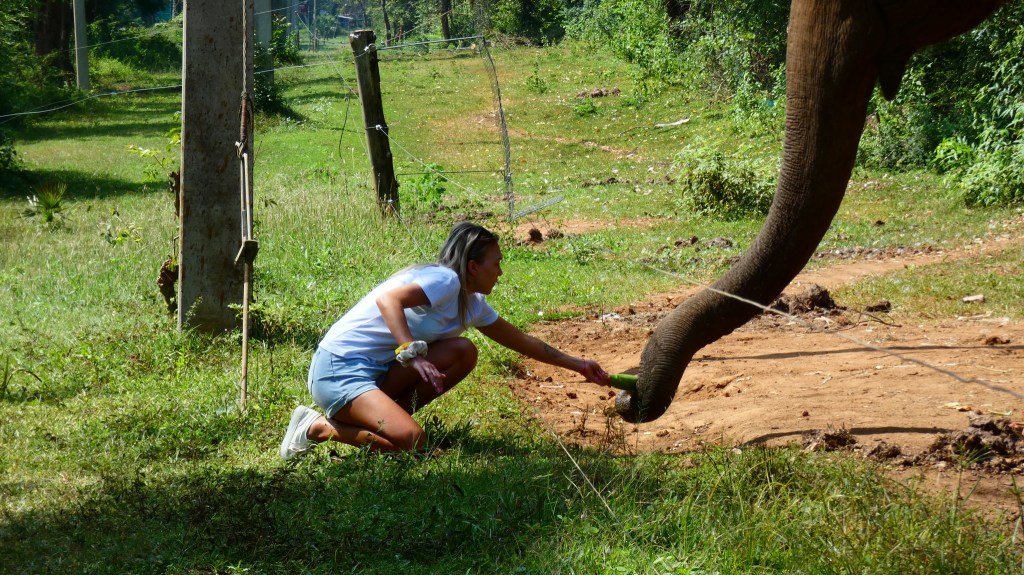
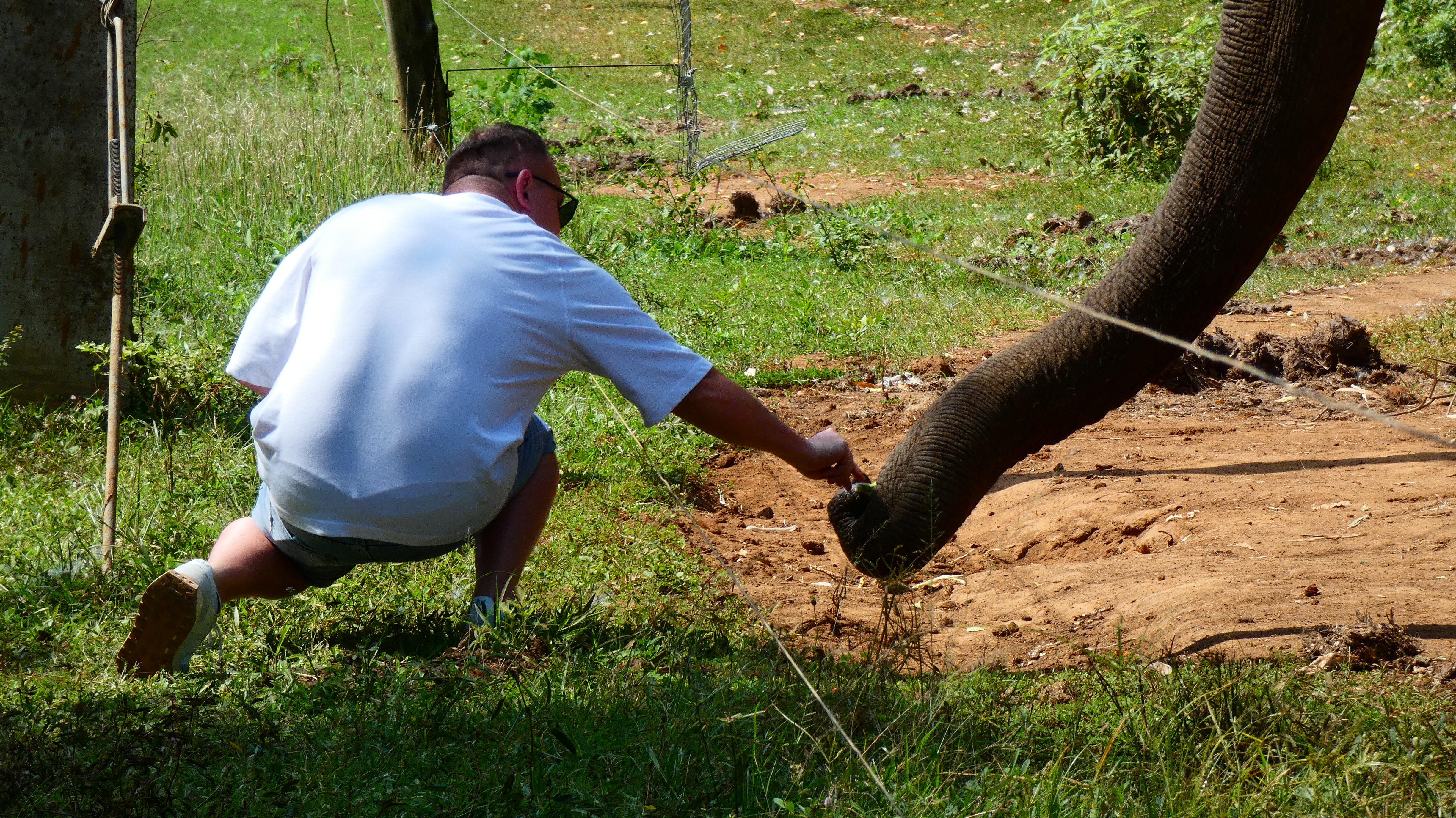
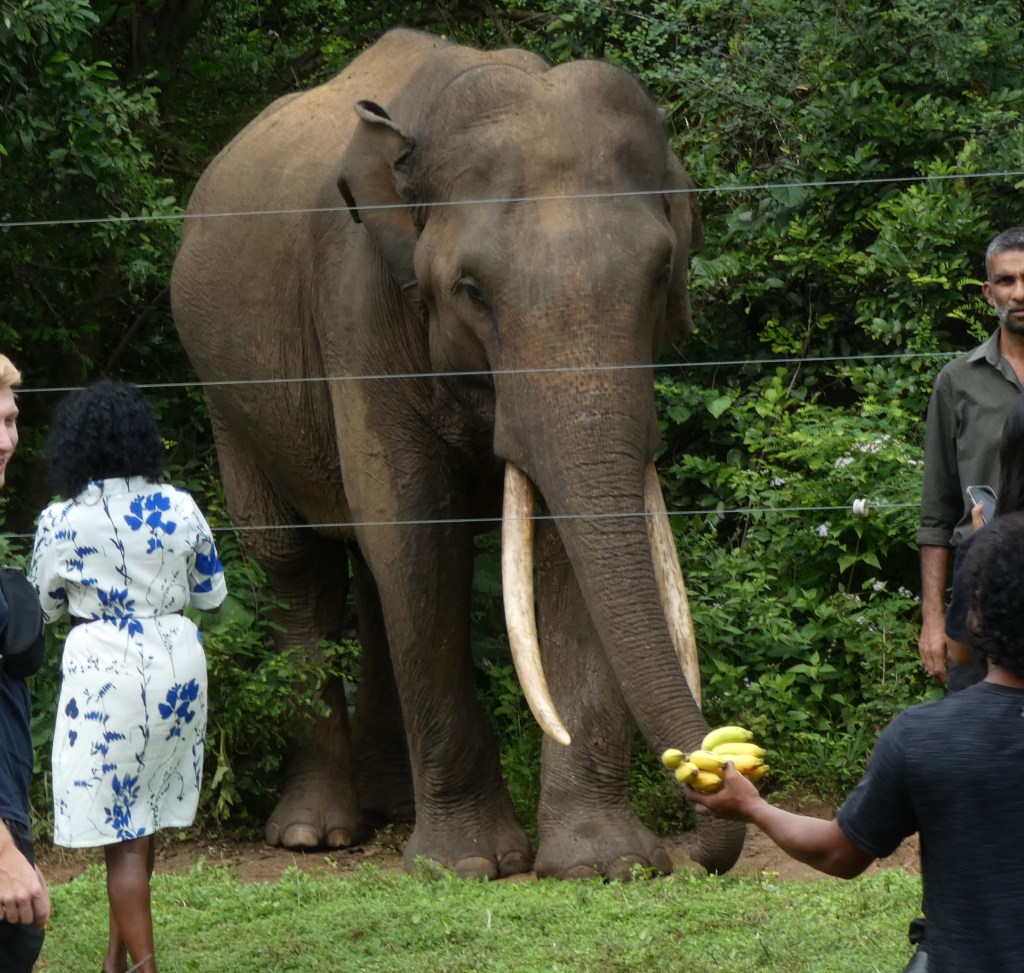
Tourist handfeeding a wild male Asian elephant alongside the double electric fence at the edge of Udawalawe National Park, Sri Lanka. (Note the slender metal fence post in the centre of the image, to the right of the larger original wooden fencepost. The second fence was an attempt to mitigate elephants breaking through the fence. A determined elephant can still break both.)

Tour operators, driven by the promise of easy elephant sightings and happy tourists, have little incentive to stop the practice. And despite formal bans on feeding in most countries, enforcement is rare. As a result, a growing subset of elephants is becoming โ€œfood-conditioned,โ€ often more daring, and ultimately more vulnerable. 

This isn’t just an elephant problem. It mirrors issues with bears in North America, macaques in Sri Lanka, and marine mammals worldwide. Across species, food provisioning by tourists leads to aggression, habitat changes, disease spread, and often, death for wildlife and occasionally for people. 

For a species like the Asian elephant, with fewer than 45,000 left in the wild, every behavioural change we cause has the potential to ripple into their future survival, and these risks are catastrophic.

The Rambo Effect: How One Elephant’s Habit Spread 

In Udawalawe National Park, long-term elephant research has revealed the alarming impacts of tourist feeding. From 2007-2023, the Udawalawe Elephant Research Project (UWERP) identified 439 male elephants at the parkโ€™s electric fence-line (from a population estimate of 448-750 adult males). Of these, 66 individuals (9-15% of the estimated male population)ย were observed begging from tourists. Among them, one individual has become infamous: Rambo.ย 

Rambo makes his way to the buffet line…

Rambo began โ€œbeggingโ€ from tourists before there was even a fence. Over 17 years, the UWERP team have consistently observed him at the same stretch of road, collecting fruit from visitors. For a time, he seemed harmless, passive, even endearing. Remarkably, even during musth, which is a heightened reproductive state in male elephants typically roam widely searching for estrous females, Rambo sometimes remained localized near the roadside feeding site. ย 

The UWERP had long worried that tourists feeding Rambo sugary fruits like mangoes and bananas was having nagative consequence on his health, potentially leading to diabetes. Wild Asian elephants typically eat vastly more diverse, high-fibre, low-sugar vegetation. Rambo’s chrhonic eye discharge (noticed over ten years ago) may have been a sysmptom.ย 

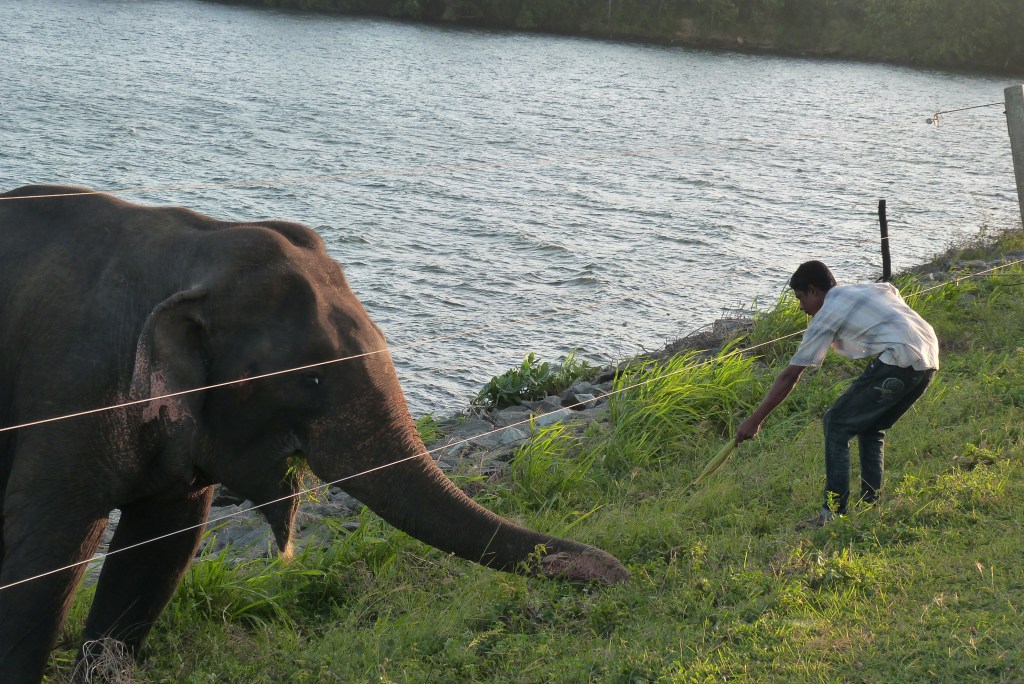
Rambo’s ocular discharge visible as he begs for corn at his usual spot by the resevoir

By 2020, everything changed. When tourism collapsed during COVID-19, Rambo began breaking fences and raiding nearby sugarcane fields at night. He even breached a power station compound. Local conservationists worked tirelessly to prevent his capture during this challenging period. Injured twice by people and potentially exposed to dangerous materials like plastic-wrapped fruit, Rambo exemplifies how food provisioning escalates elephant behavior into increasingly risky territory. His story reveals the complex social dynamics of male elephants and how human interference can disrupt natural behaviors. Tragically, he hasnโ€™t been seen since April 2023; at the time, he was approximately 53 years old.ย 

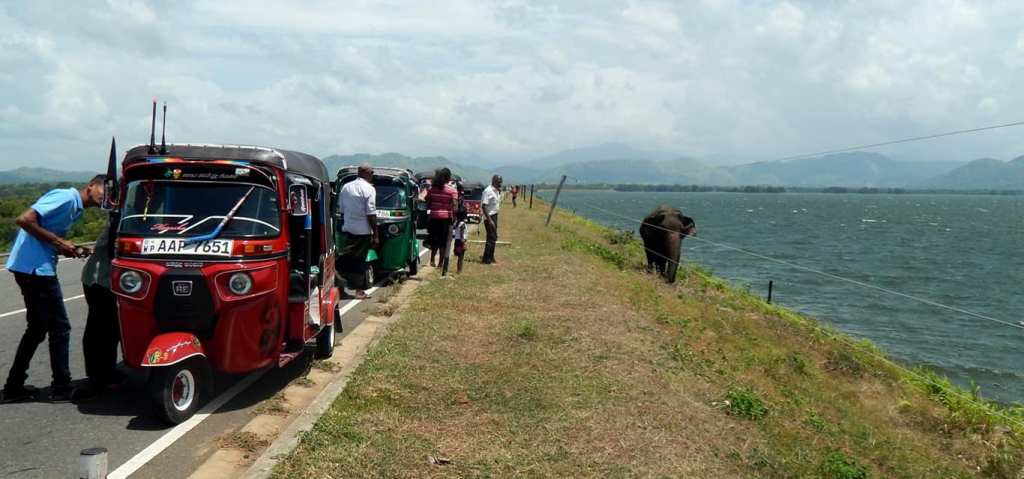
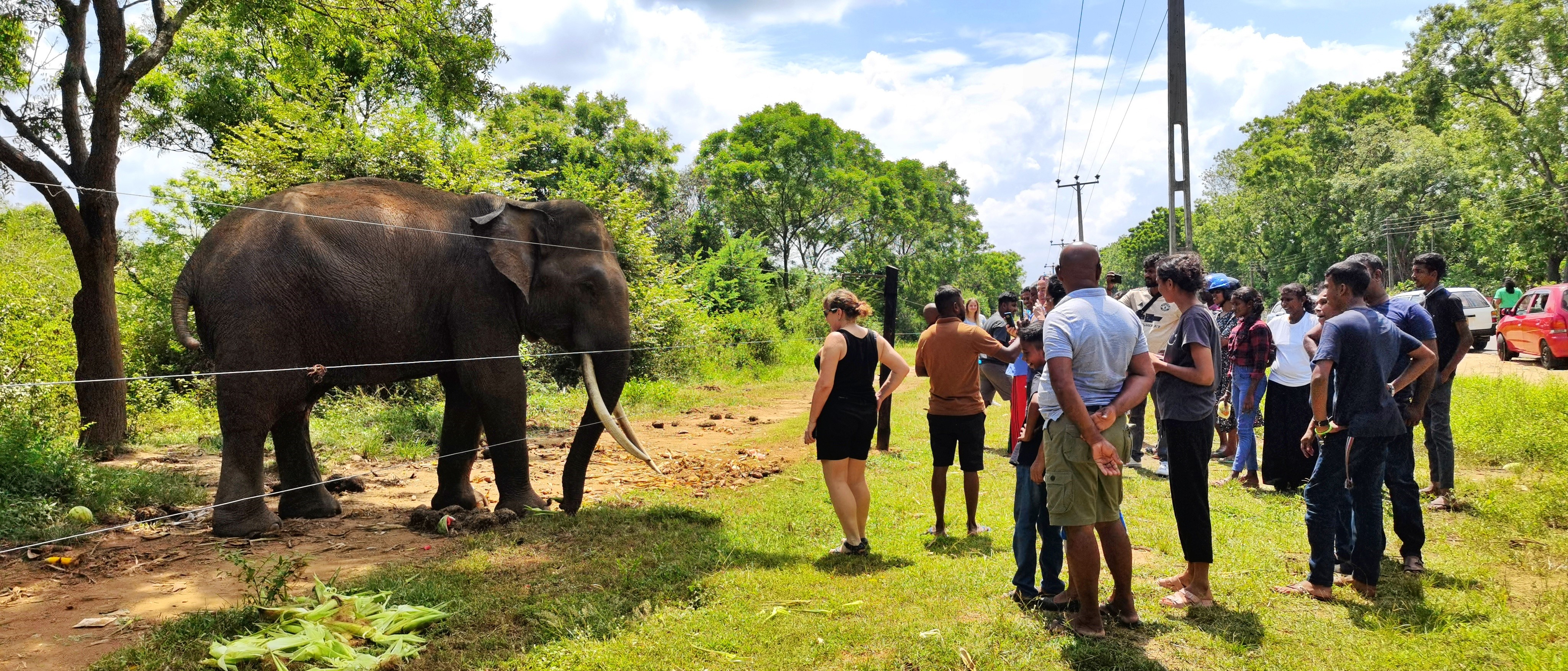
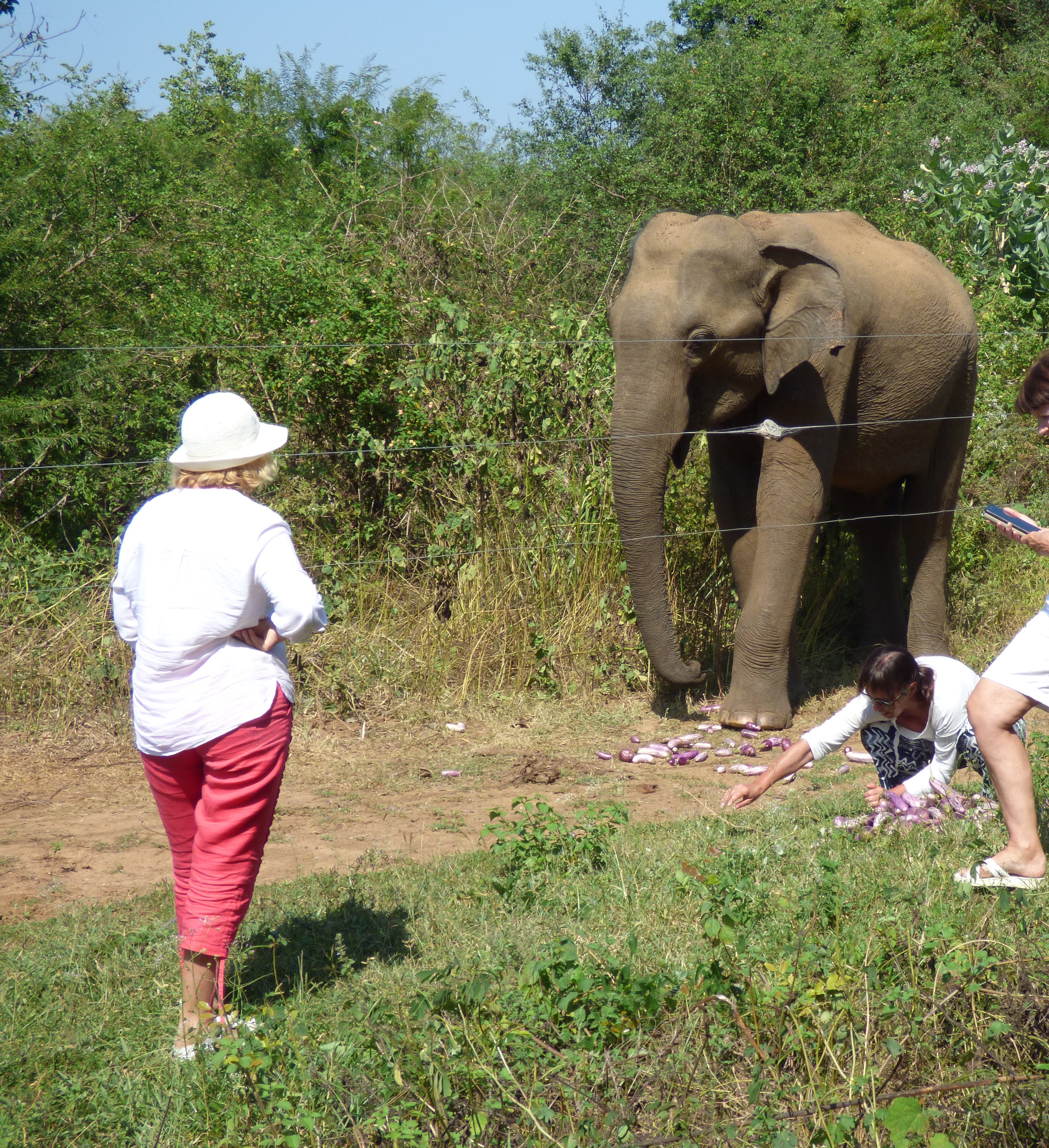
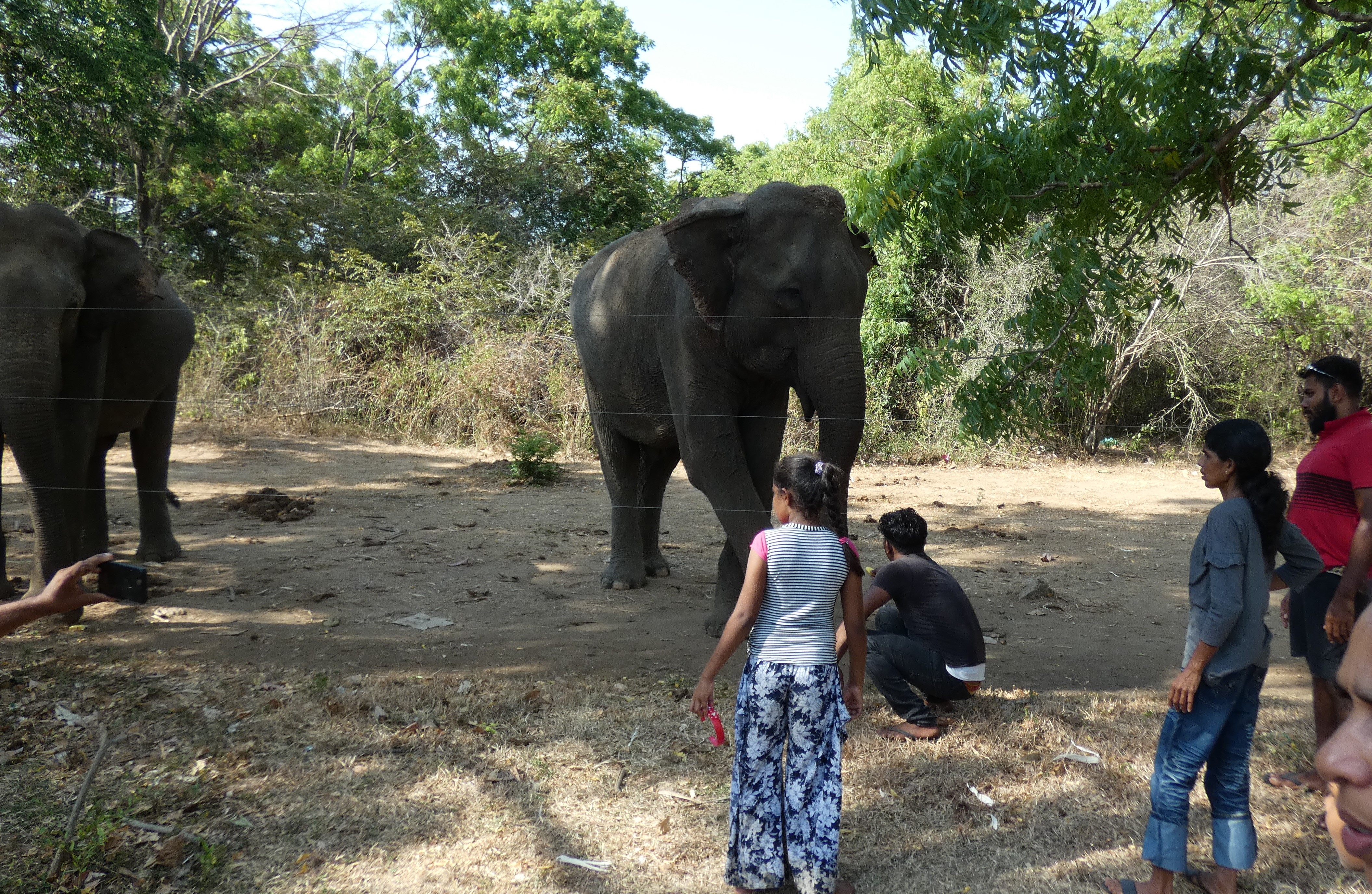
Wild male Asian elephants being fed along the park’s electric fence by local and foreign tourists.

After Rambo, other males followed suit. One died in a bus collision after fence-breaking. Another was shot. A third fell into a village well (although it’s unclear if he engaged in begging). And researchers have even found plastic bags in elephant dung near the fence. These are not isolated incidents; they’re predictable outcomes of long-term habituation. And the pattern is spreading. 

India Experiences 

In the Sigur region of Indiaโ€™s Nilgiri Biosphere Reserve, a different experiment in food provisioning has unfolded over 15 years. Between 2007 and 2022, eleven male elephants were habituated by tourists and lodge operators who fed them sugarcane and fruits to lure them into view. 

Four of those elephants died from causes linked directly to human interaction, including wounds, poisoning, and one fatal attack by resort staff. 

The survivor with the most extraordinary story is Rivaldo, a tusker who lost a portion of his trunk to an explosive device. His trust in humans, cultivated through feeding, made it possible for veterinarians to treat him multiple times. But in 2021, citing safety concerns, officials captured Rivaldo and confined him to a kraal. 

Public outcry and legal action secured his release. A structured rehabilitation effort followed, with forest guards monitoring him and preventing further provisioning. As of 2024, Rivaldo is thriving, being healthier, independent, and rarely entering villages. 

When tourism halted during the COVID-19 lockdown, five of six surviving elephants also stopped approaching people. This natural pause showed that food-conditioned behavior is reversible, but only with strong intervention and community cooperation. 

In early 2024, workers at a local lodge attempted to restart elephant feeding. They were caught and arrested, a clear sign that vigilance and enforcement are still urgently needed. 

Feeding Fuels a Dangerous Cycle 

Feeding wildlife isnโ€™t new, and elephants arenโ€™t the only species. Around the world, species from bears to monkeys to dolphins have suffered from similar human behaviors. 

In Sri Lanka, toque macaques (Macaca sinica) have become emboldened and aggressive after years of tourist handouts. In Japan, macaques fed to reduce crop-raiding have overpopulated and caused worse conflict. In Yellowstone, food-habituated bears had to be killed. And in marine parks, dolphins and whales fed for entertainment have injured people and each other. 

Animals copy each other. And in long-lived species like elephants, these behaviors can become cultural, passed from mother to calf, peer to peer. Once a population starts associating humans with food, reversing that behavior becomes difficult and dangerous. 

Health risks add to the equation. Tuberculosis has been documented in elephants, and close contact through feeding increases disease transmission. Plastic ingestion, diabetes-like symptoms from sugary foods, and metabolic disorders have all been recorded in provisioned wildlife. 

Feeding is never just about food; itโ€™s about changing entire ecosystems.

Breaking the Cycle: Solutions That Workย 

Across Asia, researchers and NGOs are showing that crops like chili, lemongrass, and citronella deter elephants while improving farm incomes. In Thailand, farmer participation in BTEHโ€™s program is growing. In Sri Lanka, similar experiments are underway. A 2024 study found that these crops not only reduce conflict but also outperform traditional ones economically. When communities own the solution, coexistence becomes a shared goal. 

It should also be considered that elephants need room to move. In Nepal, GPS collar data is helping map โ€œelephant highwaysโ€, safe transboundary corridors between parks. This data-driven approach helps prevent tragic events like poisoned elephants found near towns. The future lies in maintaining landscape connectivity, not creating isolated โ€œislandsโ€ of protected land. 

Apart from all that, science must lead policy. Dr. Shermin de Silvaโ€™s book Elephants: Behavior and Conservation emphasizes the need to integrate elephant culture and cognition into management decisions. Multi-country collaborations, Trunks & Leaves, BTEH, and Forest Action Nepal are already modeling this shift. 

Policy frameworks need to reflect behavior, not just boundaries. And tourism must be reimagined: not as a spectacle, but a tool for education and sustainable livelihoods. 

Feeding bans alone arenโ€™t enough. We need systems that support better choices. 

What Can You Do to Help Today

The solution isnโ€™t complicated; itโ€™s commitment. Hereโ€™s how you can make a difference. 

Learn & Pledge: Understand what ethical elephant tourism looks like and take the pledge for responsible wildlife experiences.ย 

Share the Knowledge: Read our comprehensive guide “Responsible Tourism & Ethical Elephant Experiences” and share it with fellow travelers. 

Speak Up: When you see irresponsible feeding, report it. Your voice can save lives. 

Support Solutions: Choose tour operators who prioritize elephant welfare over quick photo opportunities. 

The Asian elephant is running out of time. With fewer than 45,000 left in the wild, every action matters.  

Letโ€™s ensure the next time a tourist points a camera at an elephant, itโ€™s through a lens of respect, not regret.  

Access the full paper here:
de Silva, S., Davidar, P., & Puyravaud, J.-P. (2025) Don’t feed the elephant: A critical examination of food-provisioning wild elephants. Ecological Solutions and Evidence, 6 (3). doi.org/10.1002/2688-8319.70060
Where The Elephants Roamed

By S. de Silva

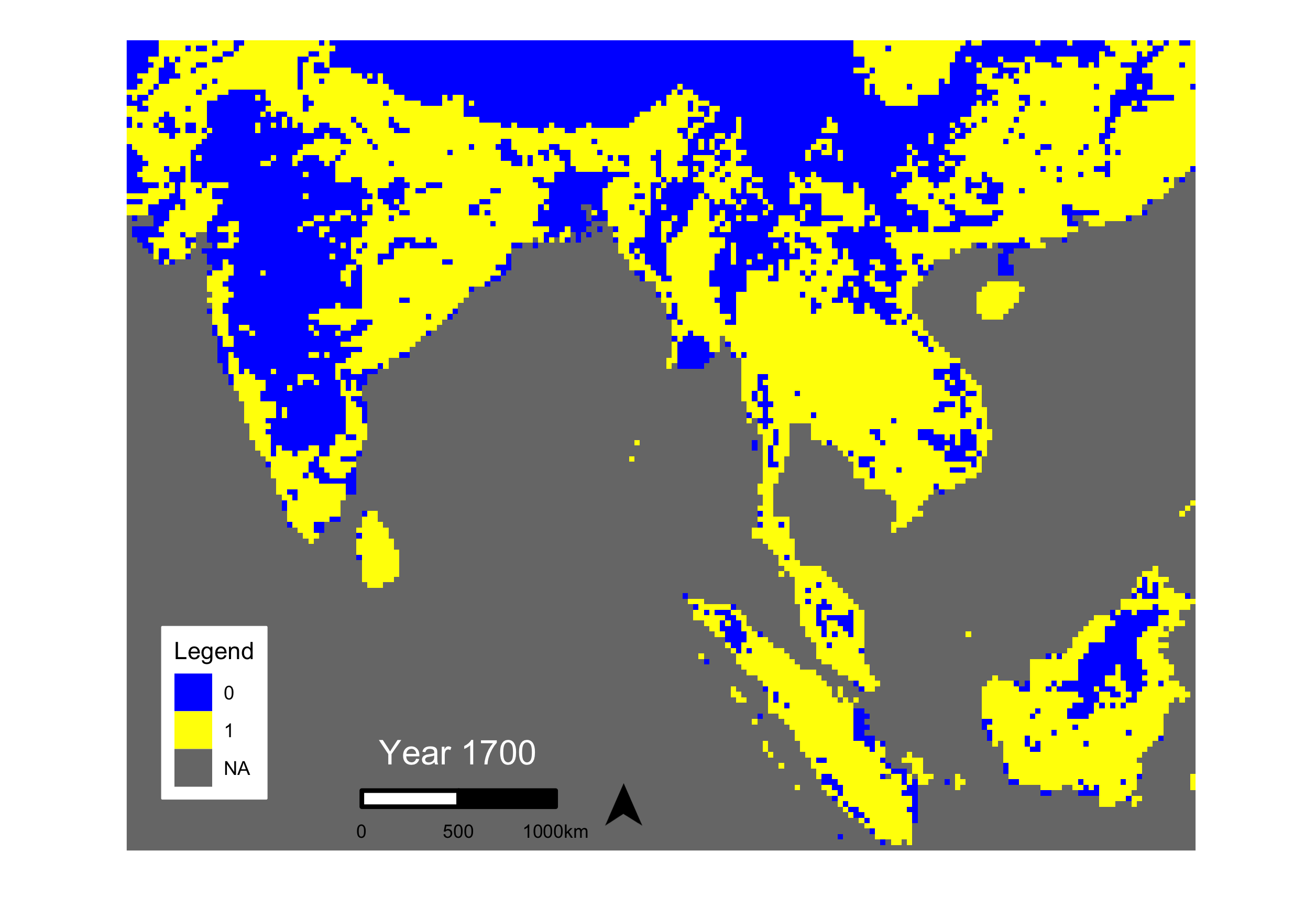
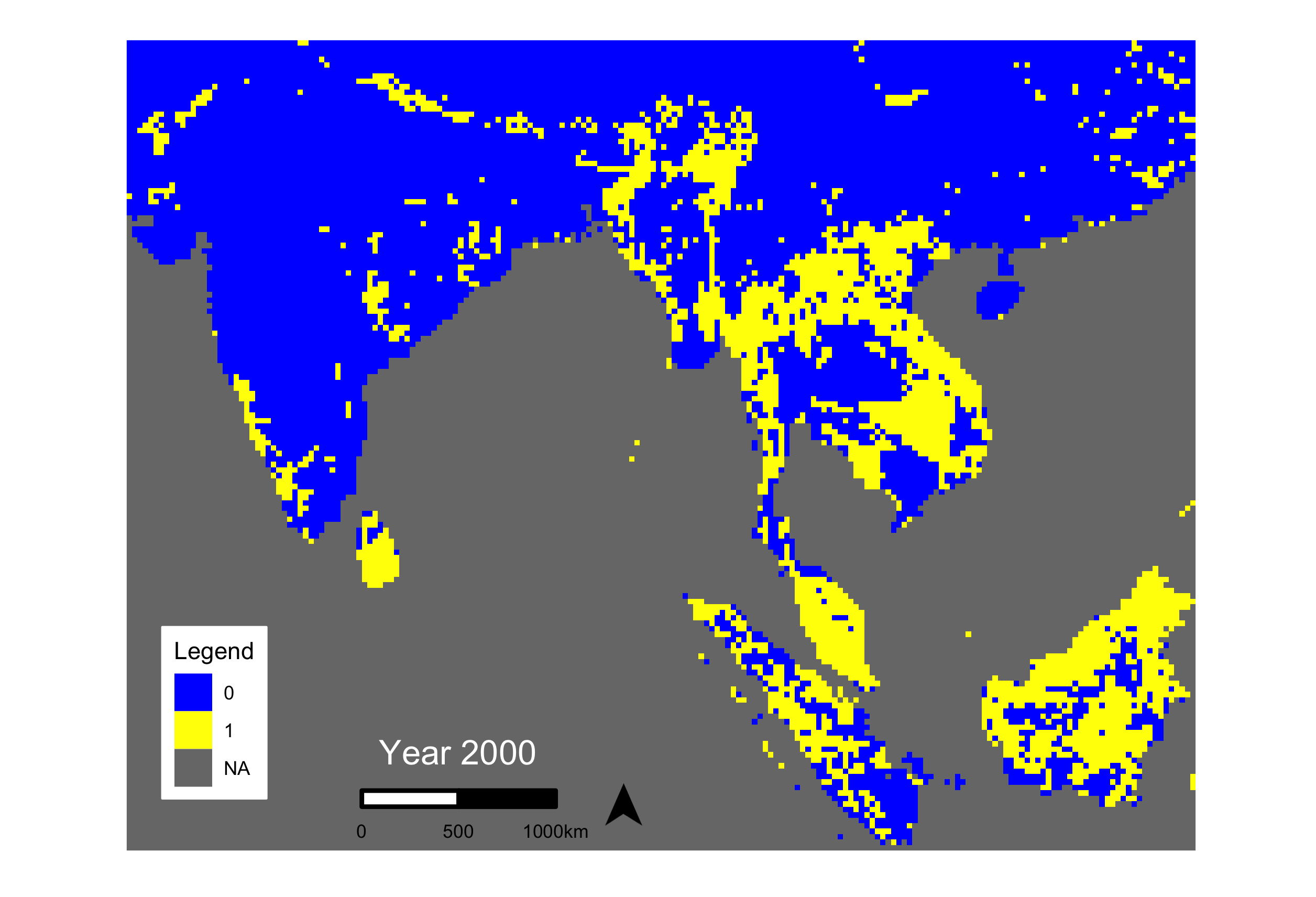
This slider shows areas containing habitat for elephants (yellow) in the year 1700 vs. 2000.

Where Did The Elephant Habitats Go?

The bulk of conservation efforts center around protected areas as the primary means of safeguarding wildlife and wild places. This is in response to recognizing that human activities are altering the face of the earth at an alarming pace, leading to the loss and fragmentation of habitat for numerous species. Often, our attention is on proximate threats and especially on particular biomes, such as forests. But over what sort of timescale and what sorts of ecosystems have these changes actually been taking place? In order to protect the biodiversity we have today, we have to really understand the processes that maintain them and how we got to where we are.

Asian elephants provide a good perspective on the problem. I’d heard some conservation organizations state that elephants had lost as much as 90% of their historic range, but I couldn’t find a single scientific reference that showed this. Was it true? When I first saw their distribution on a map, I got curious โ€“ though classified as a single species, Asian elephant populations occupy many different types of landscapes ranging from grasslands to rainforests that are now cut-off from another. At one time, these disparate populations must have been joined together and if we could reconstruct what happened to these habitats over time, we would have part of the answer. So, I enlisted a team of collaborators to find out exactly when and where elephant habitats started disappearing. In a way, you can think of elephants as being ambassadors for these ecosystems (a reason theyโ€™re referred to as โ€œflagshipโ€ species). But we couldnโ€™t know exactly where elephants or their habitats had been simply by looking at maps or records directly, so we needed a different trick.

Continue reading

How elephants in Sri Lanka use protected areas

By Annie Madsen

Elephant behavior has long endeared the public. From complex social structures to tool use, hearing stories about behavior not only teaches about fantastic ecological adaptations, it shows a window into elephantโ€™s lives that we can understand and relate to on a personal level. Showcasing behaviors has often been used to help elephant conservation. However, behaviors are sometimes disconnected from how managers actually conserve elephant populations. In a new study, we examine elephant space use behavior in the hope that it can directly inform management practices.

Continue reading

New pan-Indian study of elephant genetics reveals surprises

Herd of elephants in Terai Arc Landscape

Asian elephants were once widely distributed in India, but are now restricted to four widely separated regions: the north-western (NW), north-eastern (NE), east-central (ECI), and the southern India (SI). When you undertake the population genetics study of a wildlife species, the quality of the result is related to the design of the field sampling protocol. This is to ensure that the sampling is extensive covering different areas to avoid over-sampling of more accessible populations. When we started our population genetics study of the Asian elephant (Elephas maximus L.), we planned to collect fresh elephant dung samples from across the beats and various ranges of protected forests in India. This of course often involved traversing through inhospitable and difficult terrain with a forest staff in attendance. The first problem were the elephants themselves. To get fresh dung, one had to go close to elephants for collecting samples. This often did not go down too well with some individuals who responded to the invasion by a determined charge. We were fortunate not to have suffered any mishaps and ultimately it worked out well and we were able to collate an impressive database of elephant dung samples.

Continue reading

Camera Trapping Elephants in Agricultural Areas

In partnership with Bring The Elephant Home in Thailand, weโ€™re excited to share this picture diary from the field, by Brooke Friswold, who is a PhD student at King Mongkut University of Technology Thonburi!


Written by Brooke Friswold

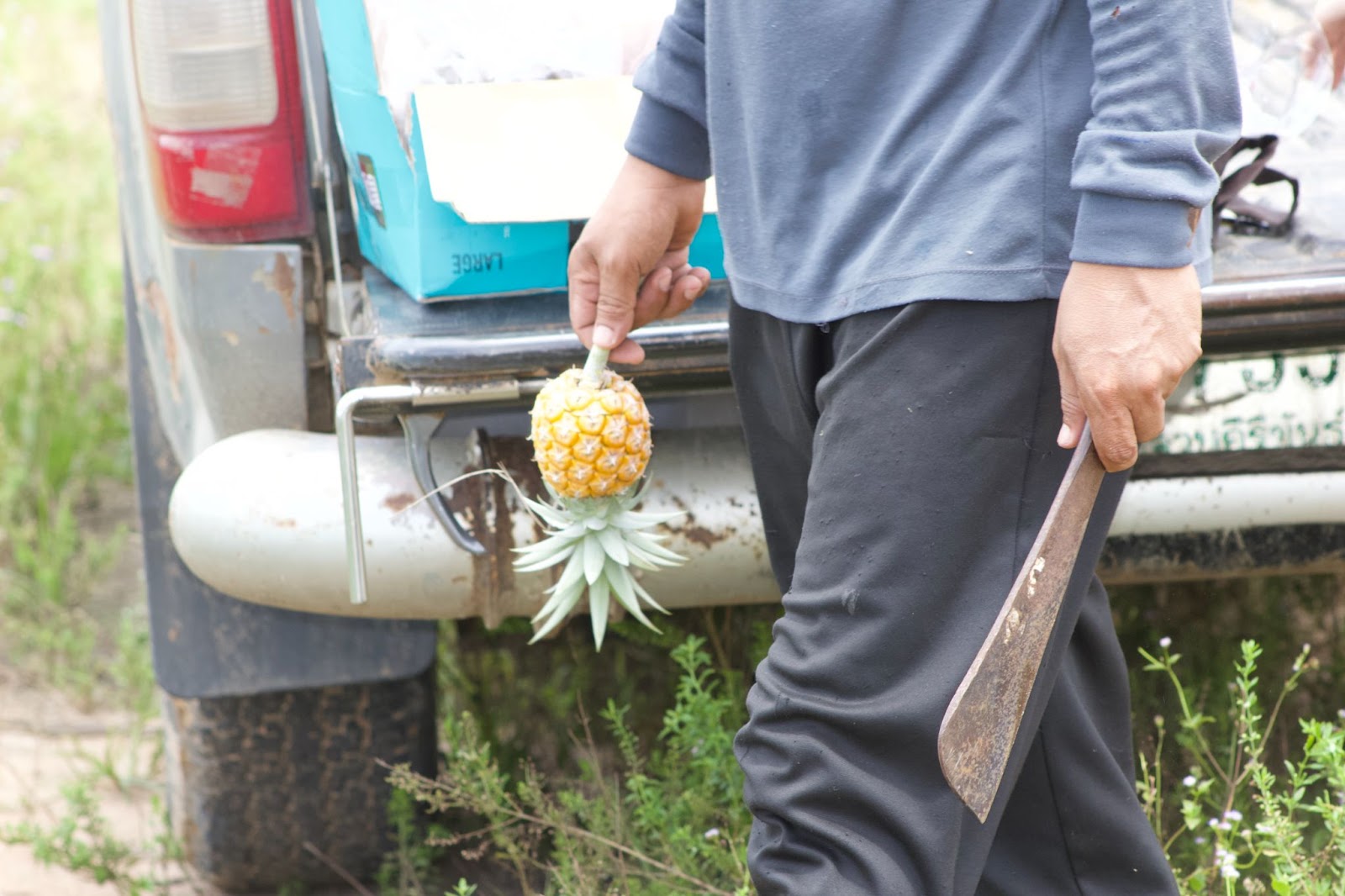
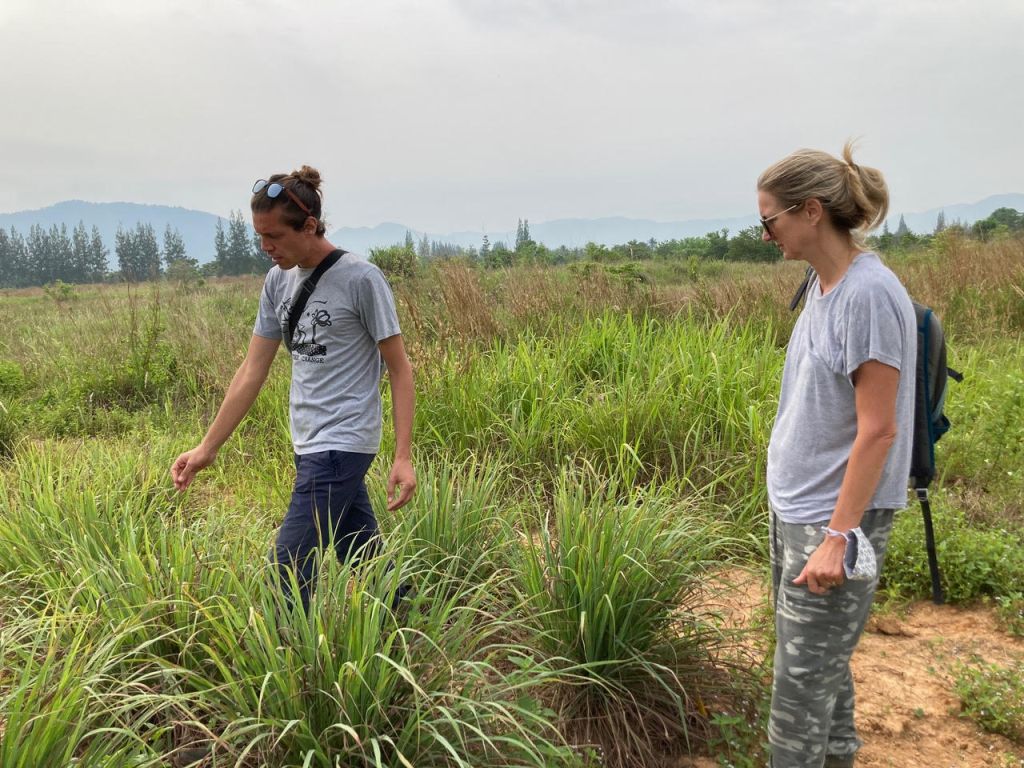
It has been another busy month in Ruam Thai Village! We have erected ten camera traps on pineapple farms with the consent of local farmers in areas with reported high frequency of visitation and five on lemongrass farmland rented by Bring the Elephant Home.

In speaking with the farmers they were very excited and enthusiastic to share their experience: some of the farmers say that the elephants are coming most nights to their land, while others say it can be weekly or also come in waves, with times of high visitation followed by lapses in appearance. The farmers were very eager and interested to share and discuss where the best placement would be for the camera traps, the trails the elephants use to enter, and the recent visitations they had.

Continue reading

Trialing Camera Trapsย 

Weโ€™re partnering with Bring The Elephant Home in Thailand to trial the potential of alternative crops to support farmers living with elephants. Weโ€™re excited to bring the first news from the field, by Brooke Friswold, who is a PhD student at King Mongkut University of Technology Thonburi!


by Brooke Friswold

The team in Thailand has been busy over the last two months – especially while director and founder of Bring the Elephant Home (BTEH) Antoinette van de Water has been in country! With the start of data collection for a subset of five BTEH rented lemongrass plots and ten community-owned pineapple plots on the horizon, equipment and methodology trialing has begun. Data collection via camera trapping is set to begin in mid-May to record baseline elephant behavior in control and experimental plots for the HECTAARE project and for Brooke Friswoldโ€™s PhD research with King Mongkutโ€™s University of Technology Thonburi (KMUTT) in partnership with BTEH and HECTAARE. 

Continue reading

Can Asian elephants use water as a tool?

By Dr. Lisa P. Barrett

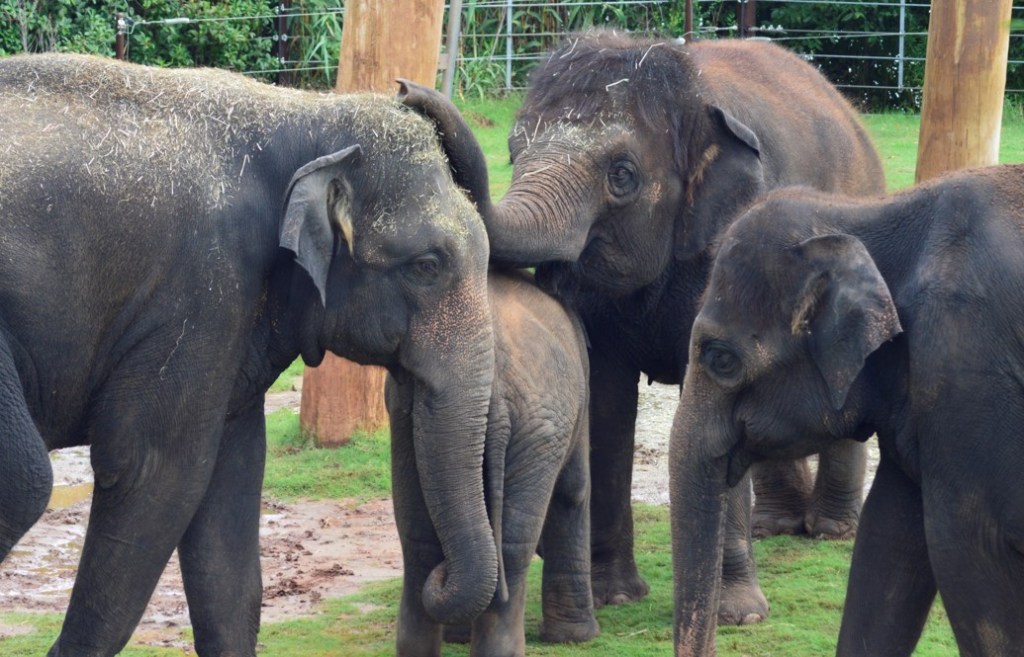
Asian elephants at the Oklahoma City Zoo

The floating object task is a puzzle that comparative cognition researchers present to animals (including humans) to study the evolution of cognitive abilities, like cause and effect understanding and the ability to use water as a tool. To solve the task and retrieve the floating reward inside, you must add water to a tube to raise the water level and reach the reward. Some primates, like orangutans have been able to solve the task by carrying water in their mouths from a drinker and spitting it into the tube to reach a peanut.

My colleague, Dr. Sarah Benson-Amram, and I presented this puzzle to elephants for the first time (Barrett & Benson-Amram, 2020). We wanted to see if elephantsโ€™ unique trunk morphology would make them well-equipped for the floating object task. Since they spray water for bathing, and hold water in their trunk as a vessel for bringing it to their mouth, we predicted that they would be up for the task. We collaborated with the National Zoo and the Oklahoma City Zoo to carry out this research. We used a tube filled about 1/3 of the way with water, baited with a floating marshmallow. As is often the case with animal research, things did not go as we expected.

Continue reading

When farmers and elephants compete for space

By Lena Coker

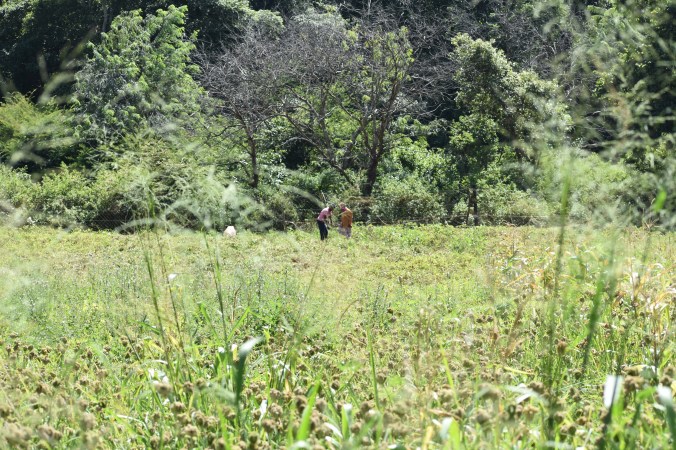
These farmers in Sri Lanka are at the interface of forest and agriculture, where most incursions by elephants occur.

In Sherpur, rural Bangladesh, as the human population increases, so does the demand for the land and natural resources that the elephants need to survive. This is a story of human-animal conflict that is repeated around the globe with many species and rural communities as they struggle to find the balance for coexistence. Continue reading

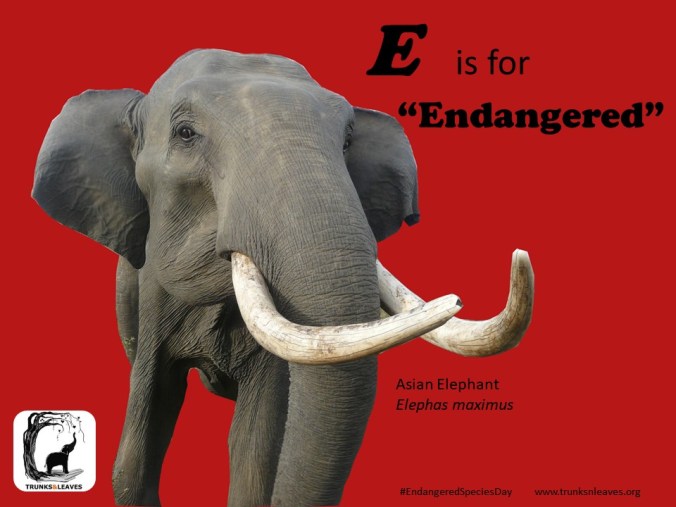
E is for “Endangered”

Or why we shouldnโ€™t take those large odd-looking animals for granted.

E is for Endangered

Step into any nursery or play room, take a quick walk down the isles of your local bookstore or library. Or just look at the clothing and toys we surround children with. They are full of images of iconic animals โ€“ giraffes, rhinoceros, hippos, lions, elephantsโ€ฆ

We use these animals to teach the alphabet, and cherish them as beloved characters in our story books. They adorn everything from birthday cards to blankets.

What would the world be like without them? Continue reading

Call Combinations Differ Among Living Elephants

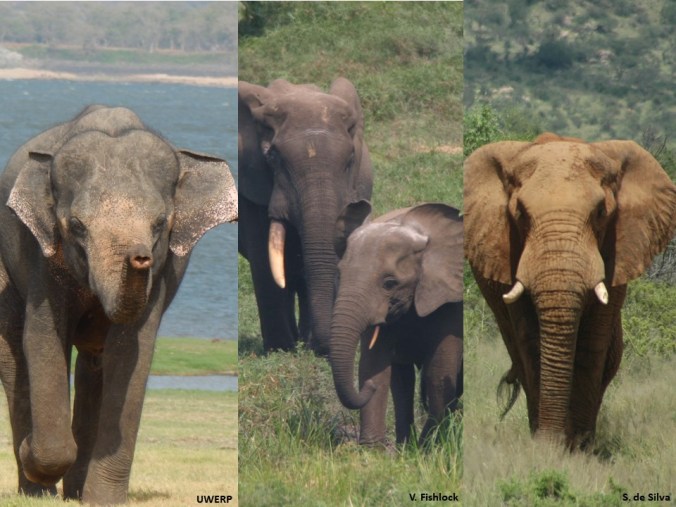
The living elephants – Asian elephant, African forest elephant and African savannah elephant.

Guest post by Michael Pardo

Ask most people what sound an elephant makes and they are likely to think of a trumpet. In reality though, elephants produce an incredible variety of different vocalizations. The most common call is a deep, pulsating rumble, so low-pitched that human observers sometimes feel it more than hear it. Elephants also roarโ€”powerful, bellowing sounds that carry across the landscape. And sometimes, they give combination calls, in which one or two rumbles and roars are stitched together with no pause for breath.

I visited Udawalawe in 2014 to work with the Udawalawe Elephant Research Project, and was especially fascinated by these combination calls. Combining meaningful units into sequences with an additional meaning is a key component of human language, but there are relatively few examples of this phenomenon in other species. Listening to the Udawalawe elephants, I was struck by the fact that they nearly always produced combination calls in the same order: a single roar followed by a single rumble. Why was this? Could it be analogous to grammatical rules in human language? Or could it be as simple as an anatomical constraint that made it difficult for the elephants to produce a rumble before a roar? Continue reading