“In every walk with nature, one receives far more than he seeks.” – John Muir
Have you ever felt the quiet relief of standing beneath a vast open sky, the rustle of leaves only the mind can hear? Or the way your breath seems to soften if you’re lucky enough to watch a herd of elephants move gracefully across the plains, their massive forms swaying with serene certainty?
Nature, in all its rhythms and silences, has an extraordinary ability to soothe a restless mind, a truth that becomes even more relevant as we observe International Stress Awareness Day, 2025, on Wednesday, November 5th, during International Stress Awareness Week (November 3-7). This year’s theme, “Optimizing Employee Wellbeing through Strategic Stress Management,” reminds us that sometimes, the most strategic step we can take for our well-being is to pause and reconnect with the living world around us.
Understanding What Stress Is
Stress is often described as the price we pay for progress; a by-product of the fast-paced, hyperconnected lives we lead. The modern world thrives on urgency. From overflowing inboxes to constant notifications, from urban noise to the invisible weight of deadlines, our days are filled with stimuli that keep our nervous systems on high alert. A little stress can motivate us; it’s part of our biology. But when pressure becomes constant, it begins to erode our peace, cloud our focus, and affect our physical health.
According to psychologists, stress triggers a cascade of hormones, primarily cortisol and adrenaline, designed to prepare us for “fight or flight.” In ancient times, this response helped our ancestors survive immediate threats. But today, most of our battles are not with predators; they’re with time, expectations, and self-imposed demands. The body, however, doesn’t differentiate. It keeps sounding the alarm, even when we’re just sitting at a desk, thinking about unfinished tasks.
So how do we silence that internal alarm? How do we invite calm back into our lives?
The Healing Power of Nature
Nature has always been humanity’s oldest remedy, long before therapy sessions, wellness apps, or motivational podcasts. The Japanese call it “Shinrin-yoku” or “forest bathing”; the practice of immersing oneself in nature to reduce stress and improve overall well-being. Scientists have found that spending time in green spaces lowers blood pressure, reduces heart rate, and boosts serotonin, the “feel-good” neurotransmitter responsible for mood balance.
Even brief exposure to nature, a 10-minute walk in a park, tending to plants, or sitting under a tree, can reset the body’s stress response.
The sensory richness of the natural world engages our attention gently, without demanding it. The soft rustle of leaves, birdsong in the distance, the earthy scent after rain, these are nature’s ways of grounding us, pulling us away from stressful worries. But among the many wonders of the wild, there’s something unique about elephants, creatures that seem to embody calm, empathy, and quiet wisdom.
When Elephants Teach Us to Breathe
Watching elephants in their natural habitat is like witnessing mindfulness in motion. They move with a grace that seems to defy their size, every step deliberate and steady, as if time bends around them.
The sight of animals in their natural rhythms, feeding, playing, or caring for their young, activates a sense of connection and awe, reducing mental fatigue. In particular, elephants, with their intricate social bonds and quiet communication, remind us of the beauty of coexistence and patience.
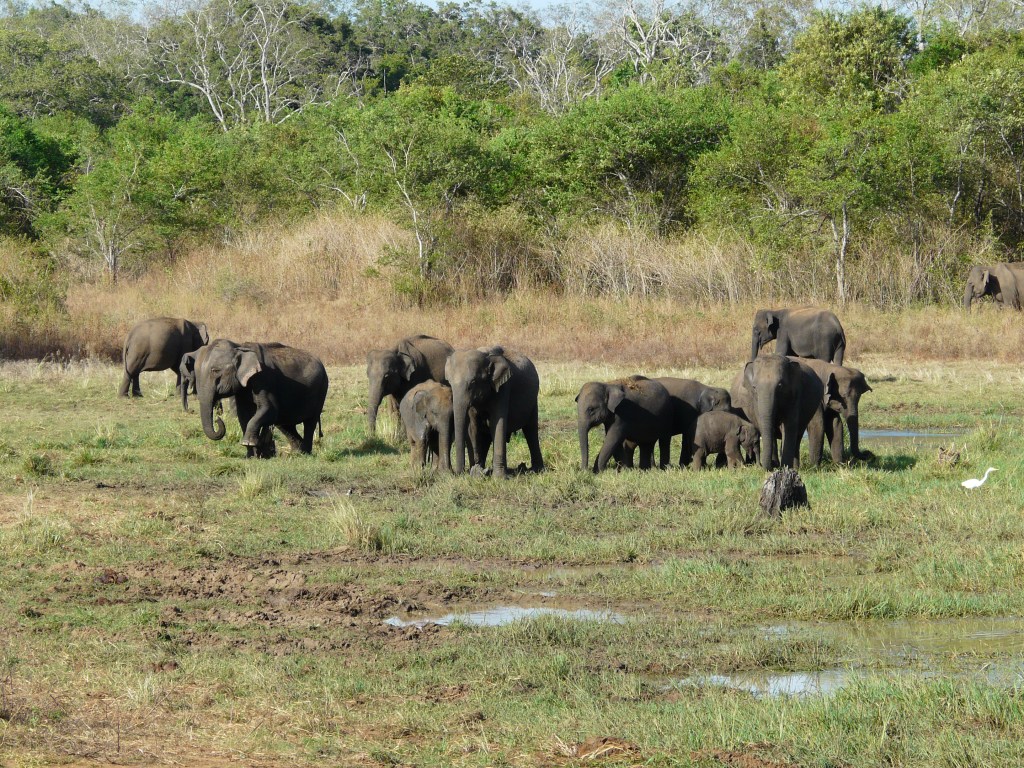
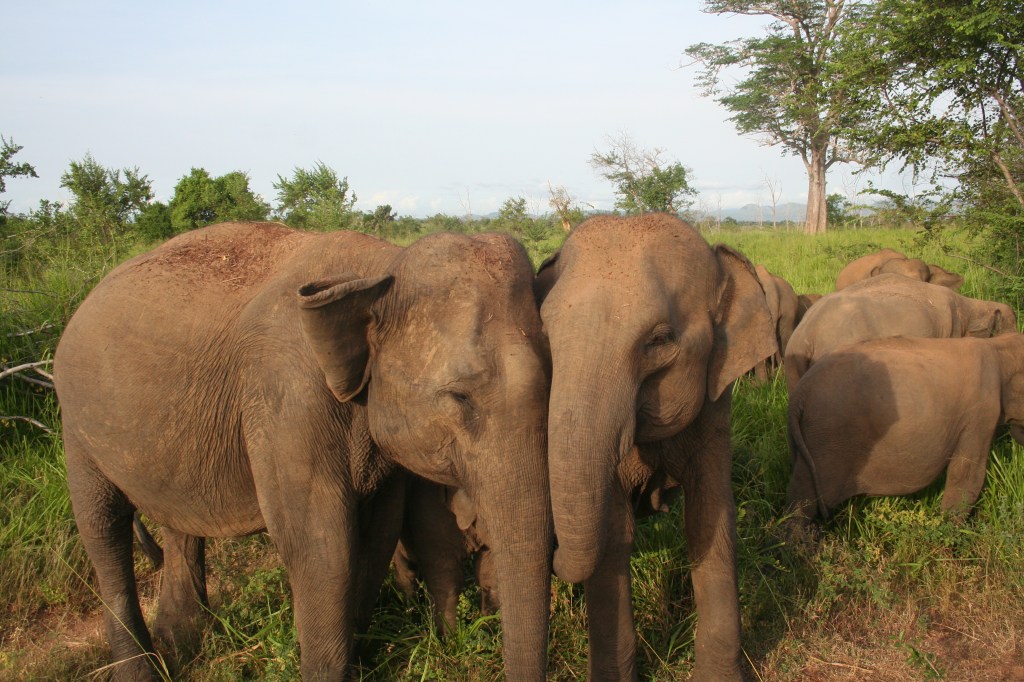
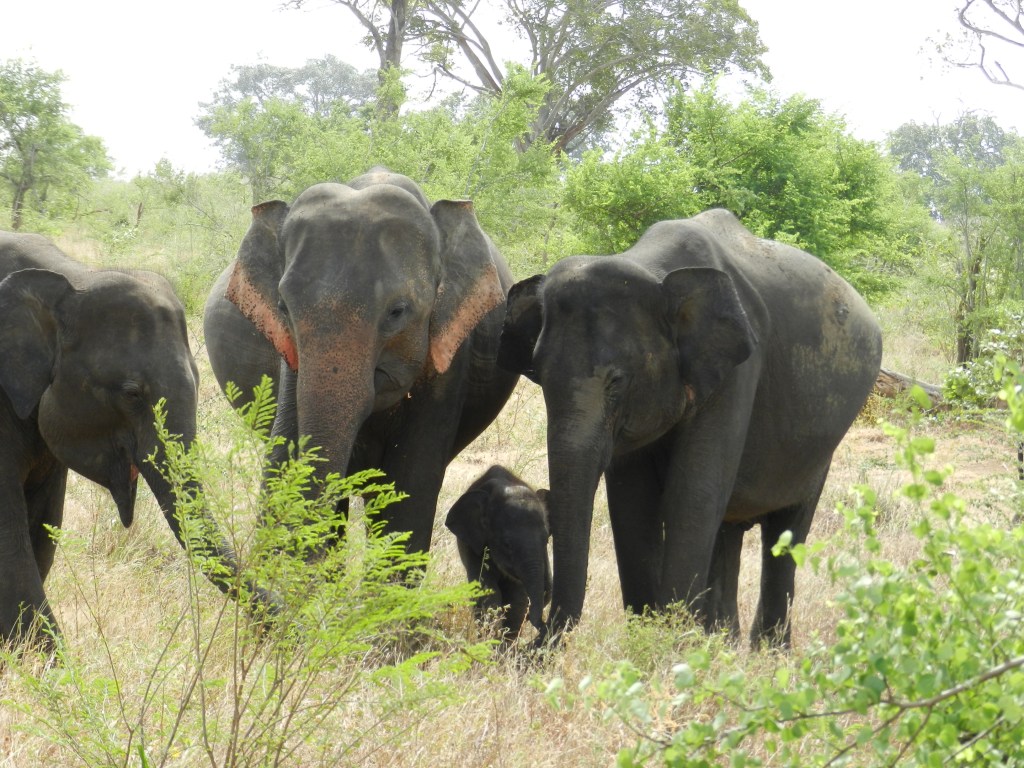
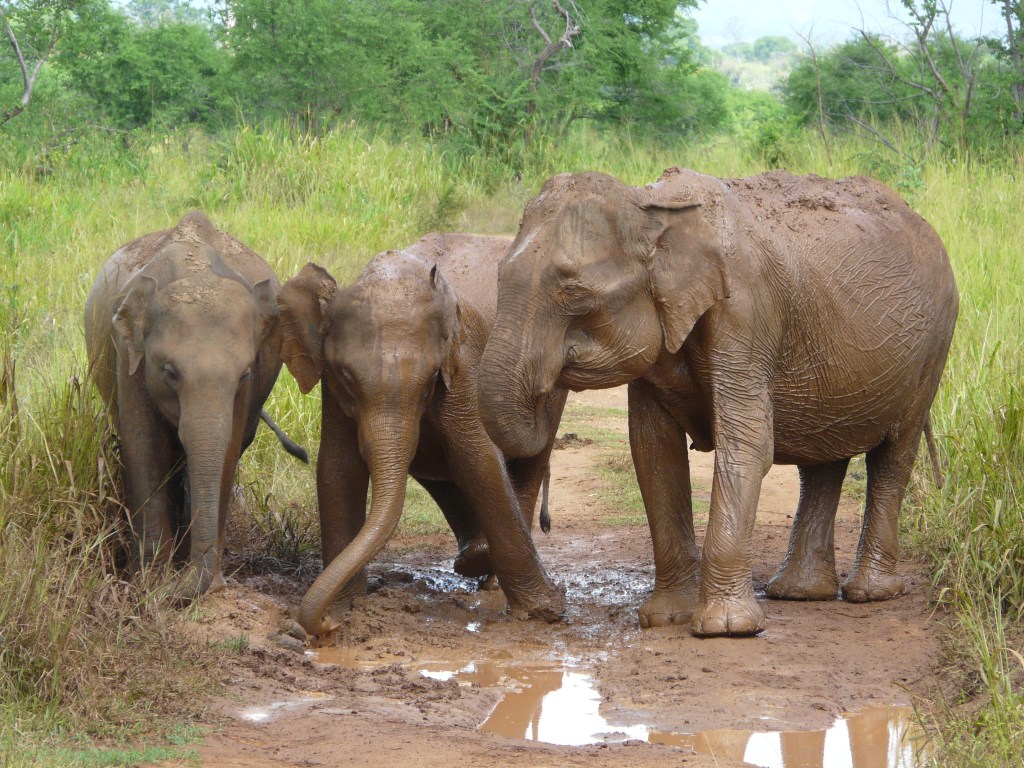
At Udawalawe National Park in Sri Lanka, where the Udawalawe Elephant Research Project (UWERP) conducts its long-term studies, these moments are part of everyday life. To sit quietly as the park wakes, watching a matriarch slowly lead her herd to the waterhole, both you and the elephants bathed in the same soft morning light; it’s more than research; it’s a meditation. Gazing at elephants, from a respectful distance, can be deeply restorative. The slow movements, the gentle rumble of communication, the way they nurture their calves, it all reminds us that life doesn’t need to be rushed. In the elephants’ world, there are no deadlines, only the steady pace of survival, connection, and care.
UWERP team connecting with nature
Nature as a Counterbalance
Modern psychology often emphasizes mindfulness as an antidote to stress, the act of being fully present. Nature, in her infinite wisdom, offers mindfulness effortlessly. When we immerse ourselves in natural environments, we’re invited to notice: the play of light on leaves, the pattern of ripples across a lake, the sound of wind weaving through grass. These details capture our attention just enough to quiet inner noise.
Moreover, being outdoors encourages physical movement, which releases endorphins and relieves tension stored in the body. It strengthens the immune system, improves sleep, and even enhances creativity. For those constantly surrounded by screens and concrete, stepping into nature is not a luxury; it’s a necessity.
Whether it’s the dense forests of Sinharaja, the golden plains of Udawalawe, or the tranquil shores of a hidden lake, every moment spent in nature becomes a small act of healing. And the best part? It costs nothing but time and attention.
The Office with No Walls
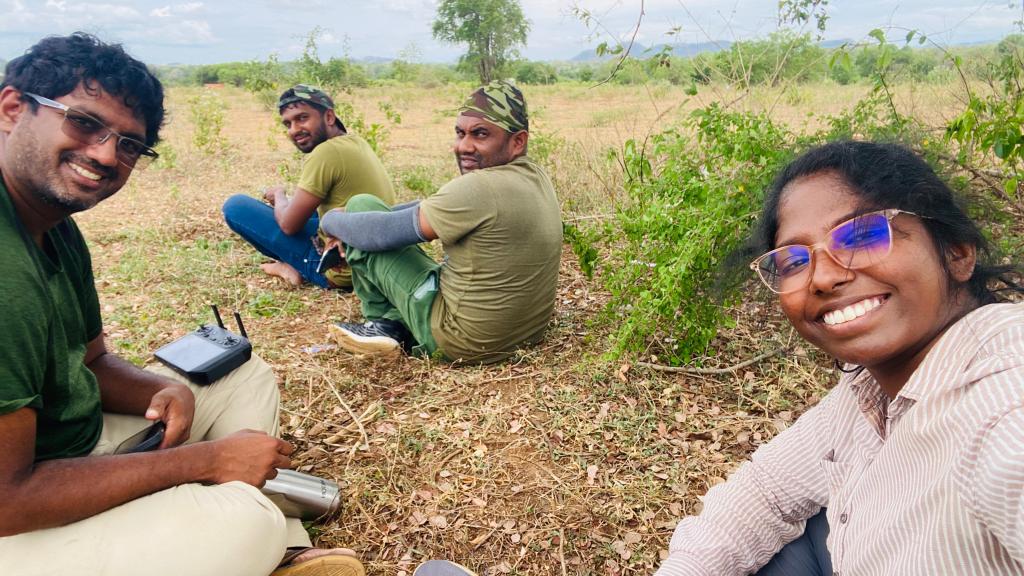
For most of us, stress management involves trying to carve moments of calm between office hours (or even brief pauses within them; research shows that short breaks actually enhance focus and well-being). But for the UWERP field team, nature is their office. Their days begin not with the buzz of alarms or emails, but with the call of an Indian-peafowl, the distant trumpeting of elephants, and the slow rise of sunlight over the forest canopy.
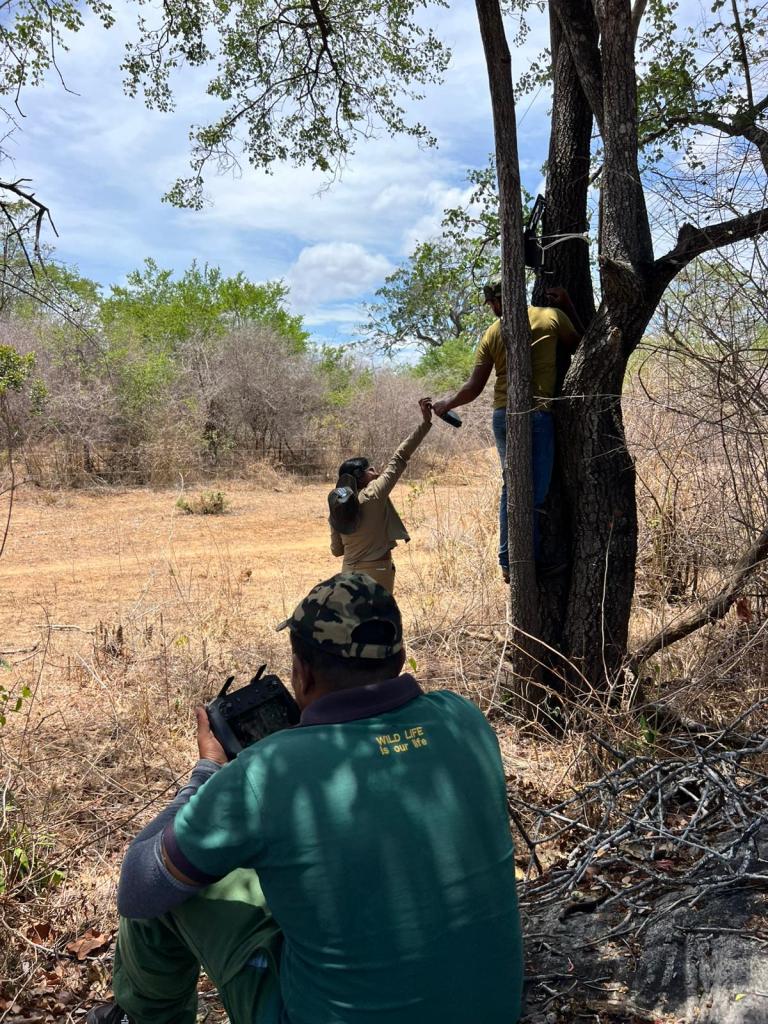
While demanding, with long hours in the field, unpredictable weather, and constant observation, this conservation work is also profoundly grounding. There are no concrete barriers or city noise, only open skies and wild company. The researchers’ “meetings” happen under trees, their “colleagues” are elephants, and their “reports” are written in tracks and behavior patterns across the dusty earth.
This patient work, understanding elephant behavior, documenting their social bonds, and supporting communities in coexistence, depends on long-term observations and dedication. It’s through this research that we learn not only how elephants navigate their world, but also how we might better navigate ours alongside them.
UWERP team in their ‘Office with No Walls’
A Call to Reconnect
As we observe International Stress Awareness Day, let’s pause to remember that well-being doesn’t always come from complex strategies. Sometimes, it’s as simple as listening to birdsong, watching clouds drift by, or, if you’re lucky enough, gazing at elephants wandering freely through the grasslands.
Stress is a part of life, but so is calm. Nature offers us both: challenges us and heals us, tests us and restores us.
So, the next time you feel the world pressing in, step outside. Find a patch of green, listen to the wind, breathe deeply. Even ten minutes can make a difference. Pull on an extra layer if you need to, but go – let the natural world remind you of its quiet rhythms.
This season, if you’re looking for a gift that gives back, consider supporting the work that keeps these moments of wonder possible. Our virtual elephant adoption kits connect you to a real calf in Udawalawe National Park, helping fund the research and community support that allows both elephants and people to thrive. Because when we protect nature, we protect our own well-being too.
References
Schilhab, Theresa & Esbensen, Gertrud. (2025). Wild animals connect us with nature: about awe, eco-pedagogy, and nature-connectedness. Frontiers in Psychology. 16. 10.3389/fpsyg.2025.1523831.
Albulescu, Patricia & Macsinga, Irina & Rusu, Andrei & Sulea, Coralia & Bodnaru, Alexandra & Tulbure, Bogdan Tudor. (2022). “Give me a break!” A systematic review and meta-analysis on the efficacy of micro-breaks for increasing well-being and performance. PLOS ONE. 17. e0272460. 10.1371/journal.pone.0272460.
Ideno, Yuki & Hayashi, Kunihiko & Abe, Yukina & Ueda, Kayo & Iso, Hiroyasu & Noda, Mitsuhiko & Lee, Jung Su & Suzuki, Shosuke. (2017). Blood pressure-lowering effect of Shinrin-yoku (Forest bathing): A systematic review and meta-analysis. BMC Complementary and Alternative Medicine. 17. 409. 10.1186/s12906-017-1912-z.
Polina, Yashvi. (2025). When the Body Mimics Illness: Linking Psychological Stress to Bodily Symptoms. International Journal For Multidisciplinary Research. 7. 10.36948/ijfmr.2025.v07i04.53930.
It’s late evening in Ruam Thai village, just outside Kuiburi National Park in Prachuap Khiri Khan province, Thailand. On my laptop screen, camera trap videos flicker to life: an elephant (Elephas maximus) moving slowly across farmland, a farmer checking fields with a flashlight, the quiet tension of life lived at the forest’s edge.
Camera traps capture nighttime elephant movements through farmlands bordering Kuiburi National Park
This is what I have seen when assisting PhD researcher Sateesh Venkatesh to analyse camera trap footage from farms surrounding Ruam Thai. The village, established by the government, sits like an island, surrounded on three sides by national park. Families live clustered in the centre, while their fields spread outward, bordering the unfenced national park, it’s a layout that leaves farms vulnerable – and elephants know it.
From Pineapples to Elephants
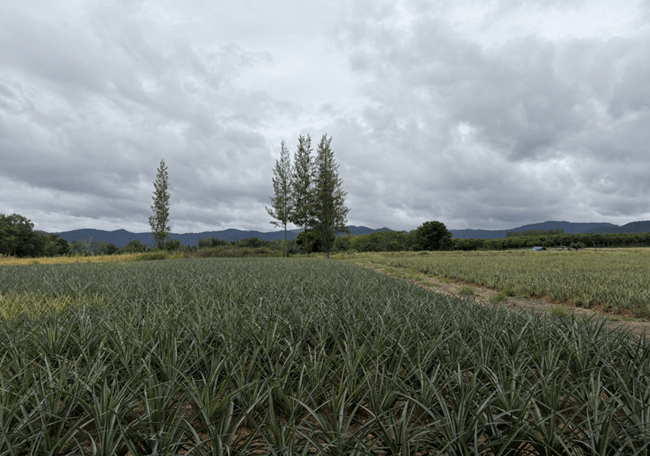
Kuriburi was declared a national park in 1999, protecting around 169 km2 of forest and wildlife (Charuppat, T., 1998). Before that, much of the land had been cleared for pineapple plantations. Pineapple is one of Thailand’s major exports: it grows year-round and provides high returns for farmers. But it also proved irresistible to elephants. Sweet and abundant, pineapples drew elephants out of the forest and into people’s fields, setting the stage for human-elephant conflict that continues today (Srikrachang, M. and Srikosamatara, S., 2005)
Alternative crops (citronella and lemongrass) trialled in Ruam Thai farmland, beside Kuiburi National Park.
Exploring Alternatives
As part of the alternative crops project, Trunks & Leaves and Bring The Elephant Home partnered in 2021 to research crops unpalatable to elephants. PhD student Sateesh Venkatesh, under the guidance of Trunks & Leaves founder Dr. Shermin de Silva, researches elephant behavior using technologies such as drones to map farming areas, trail cameras to detect elephant presence and behavior, and audio recorders to monitor conflict as elephants enter agricultural lands at field sites in both Thailand’s Ruam Thai and around Udawalawe National Park in Sri Lanka.
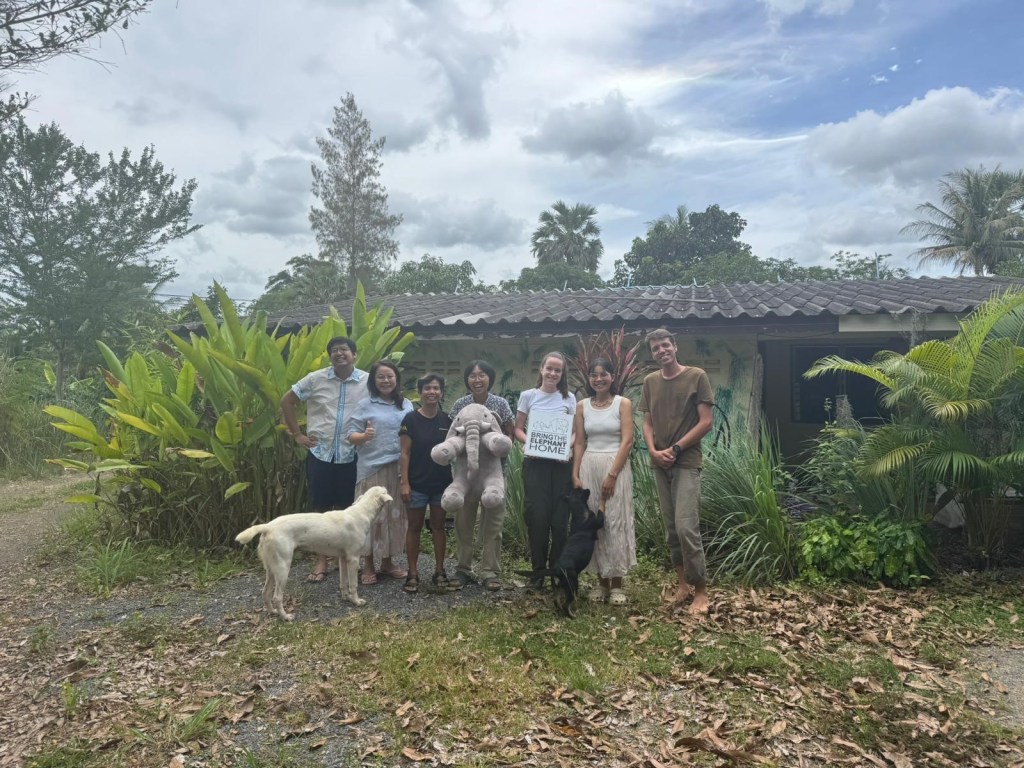
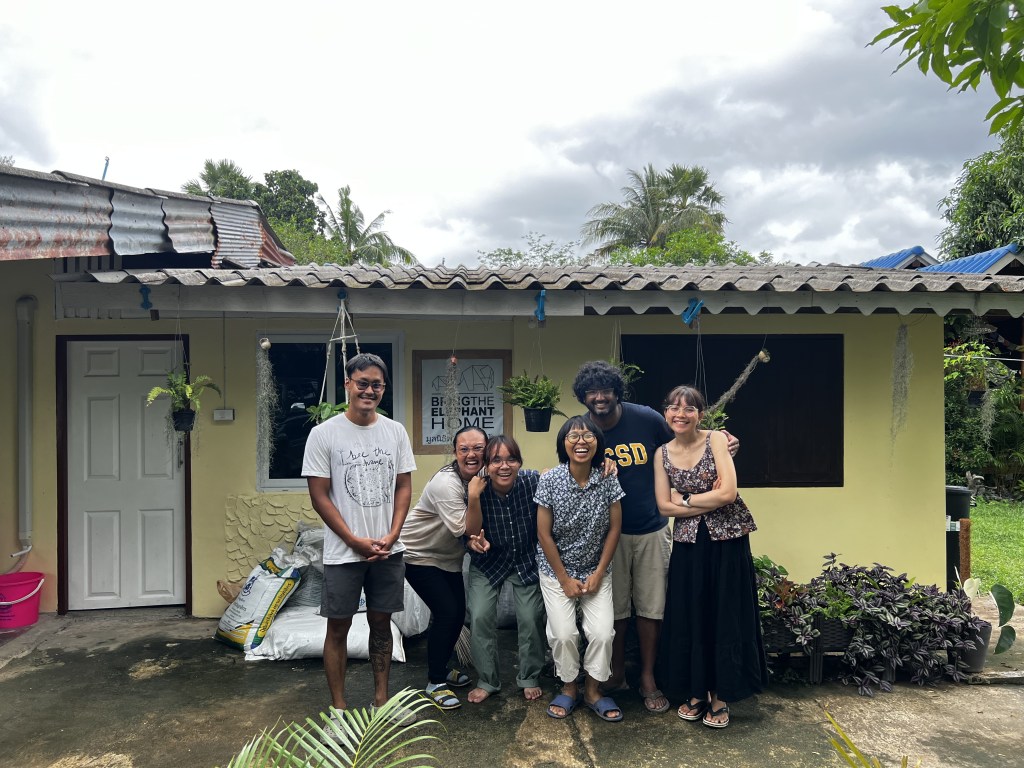
The wonderful Bring the Elephant Home team in Ruam Thai with Lauren (holding BTEH sign) as she volunteered, analysing trail camera footage.
Owen and colleagues (2024) report that lemongrass and citronella are among the most promising alternative crops: elephants generally avoid them, and they offer multiple market opportunities – selling fresh at local markets, dried for higher prices (or processed in teas), or distilled into essential oils for premium pricing and products such as artisan soaps.
Yet challenges remain. Producing oil requires large volumes of raw material and costly equipment. To sell products internationally, farmers also need FDA (Food and Drug Administration – a U.S. regulatory agency) approval and stable buyers. Without reliable markets for these alternative crops, many farmers may feel pressure to return to pineapples, with their familiar low market prices and challenges such as hormone chemicals and pesticides that are hazardous to farmers’ health, even though pineapples increase the risk of crop raids as both the fruit and sweet leaf bases are highly attractive to elephants.
An Emerging Challenge: Gaur
While elephants remain the most visible and impactful species raiding crops, they are no longer the only concern alongside Kuiburi National Park. Farmers report that gaur – Bos gaurus, large wild cattle that also roam the park, listed as vulnerable on the IUCN red list – are becoming just as problematic, and in some cases more dangerous. Like elephants, gaur are drawn to easy calories in fields, trampling and consuming crops. But they can also be unpredictable and aggressive, posing direct safety risks to people who encounter them at night.
This widening conflict highlights a bigger truth: when farms border protected forest, it is not just one species but entire communities of wildlife that interact with people.
World Habitat Day: Lessons from the Forest Edge
This year’s World Habitat Day gives us the opportunity to reflect on the meaning of habitat. Too often, habitat is imagined as something separate – national parks and reserves over here, villages and farmland over there. But Ruam Thai shows that habitats overlap. The forest is home to elephants and gaur, but it is also the backdrop to farmers’ livelihoods. When the line between the two blurs, both sides feel the pressure.
Protecting wildlife habitat is not only about preserving forest inside park boundaries. It also means supporting the people who live alongside those boundaries – ensuring that their farms are viable, their families safe, and their economic futures secure. Without this balance, conservation becomes conflict, and coexistence slips further away.
Building paths to coexistence: What can help?
Science and monitoring: Camera traps and farmer observations provide crucial data where and when wildlife moves, helping to design better strategies.
Community leadership: Farmers must be central to decisions about land use, crop choices, and protection measures – as it is their livelihood that is impacted.
Support through donations and funding: Organisations such as Trunks & Leaves and their partners like Bring The Elephant Home are working directly with local communities to reduce conflict and promote coexistence. Supporting these initiatives – whether through donations, advocacy, or spreading awareness – provides the resources needed to expand research, farmer support programmes, and conflict-mitigation efforts.
A Call to Action
As I scroll through more videos from trail cameras, I see the daily balancing act in Ruam Thai: elephants searching for food, farmers striving to protect their fields. On this World Habitat Day, their story is a reminder that habitats are shared, not separate. The health of Kuiburi’s forests cannot be measured only by the wildlife within; it must also include the wellbeing of people at its edge.
If elephants and people are to coexist, we must commit to solutions that protect both wild habitats and human livelihoods. That means supporting alternative crops, strengthening community resilience, and recognising that thriving habitats are those where both people and wildlife can live.
References
Charuppat, T. (1998). Using LANDSAT Imagery for Monitoring the Changes of Forest Area in Thailand. Royal Forest Department Bangkok. 121 pp.
Owen, A., van de Water, A., Sutthiboriban, N., Tantipisanuh, N., Sangthong, S., Rajbhandari, A. and Matteson, K. (2024). The Role of Alternative Crop Cultivation in Promoting Human-Elephant Coexistence: A Multidisciplinary Investigation in Thailand. Diversity, 16(9), pp.519–519. doi:https://doi.org/10.3390/d16090519.
Srikrachang, M. and Srikosamatara, S. (2005). Elephant crop raiding problems and their solutions at Kui Buri National Park, southwestern Thailand. Natural History Bulletin of the Siam Society, 53(1), pp.87-109.
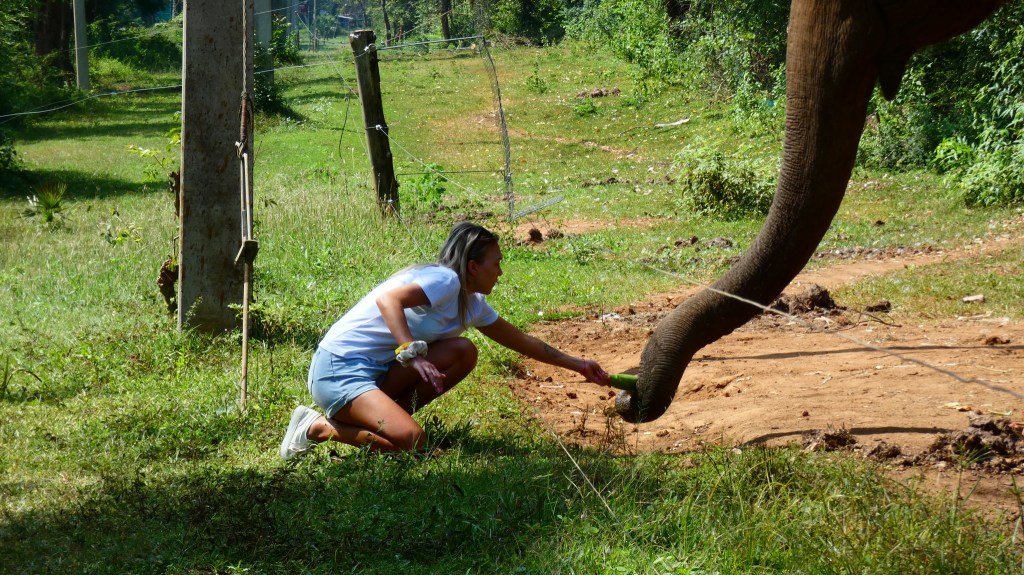
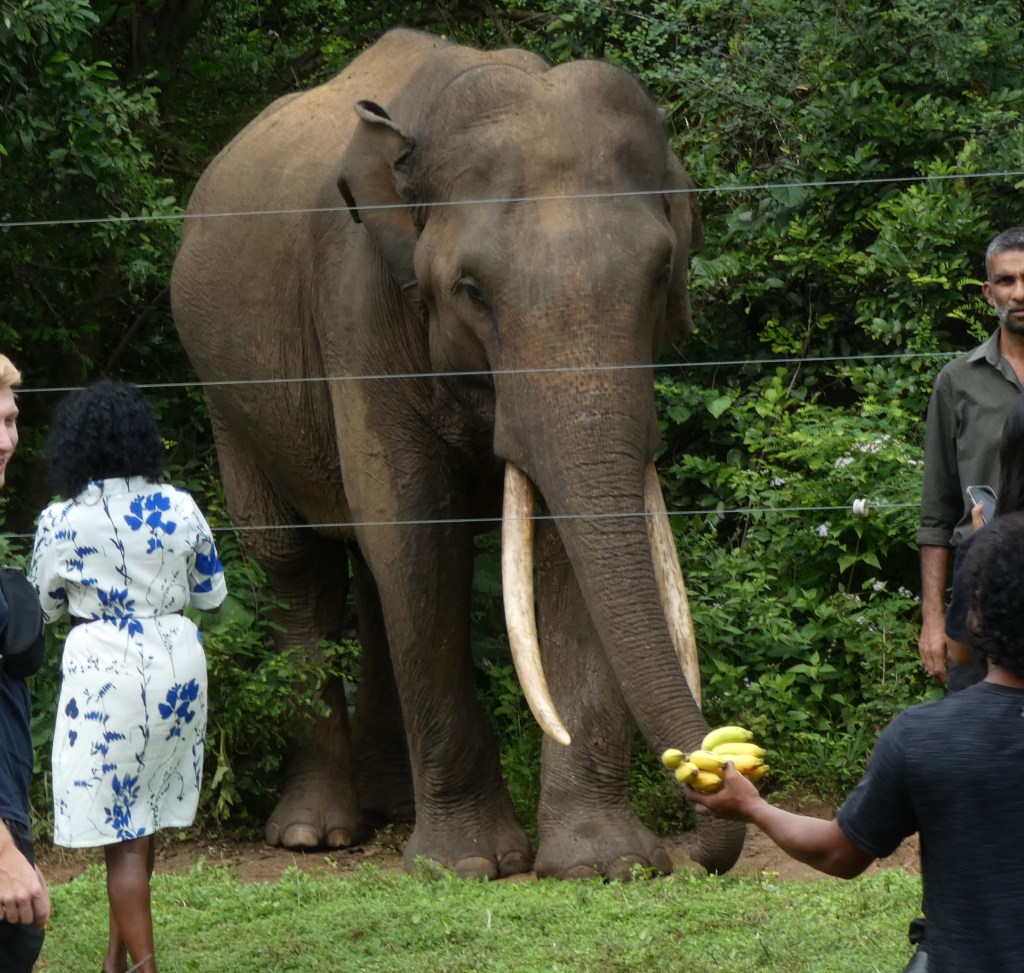
It’s a quiet morning at the southern boundary of Udawalawe National Park, Sri Lanka. The light is soft, dew clings to the fence posts, and tourists gather expectantly beside the electric line. In their hands, some corn and smartphones. On the other side, shadows shift into focus, a male, unmistakably massive and composed, stretches his trunk toward the fence in an imploring motion. The corn lands at his feet. He clenches it with his trunk. Cameras click. Children giggle. A perfect moment.

To the casual observer, it feels intimate and even harmless.

But behind this feel-good interaction lies a troubling truth. These elephants aren’t here for casual curiosity; they’ve learned that this fence means food!
Across the range of the endangered Asian elephant, an insidious conservation crisis is unfolding. New research published in Ecological Solutions and Evidence by Dr. Shermin de Silva and colleagues reveals the hidden dangers of this seemingly innocent practice. Tourists eager for memorable encounters feed elephants at roadside fences, safari parks, and forest edges. These seemingly well-intentioned actions are transforming how elephants behave, where they go, and how they survive.
Elephants are highly social and cognitively advanced animals, capable of social learning and cultural transmission (even of unhealthy habits) of behavior across generations. Once one elephant figures out that a certain location delivers easy – and delicious – calories from smiling humans, others quickly follow. These patterns persist across generations, becoming traditions; traditions that can get elephants killed.
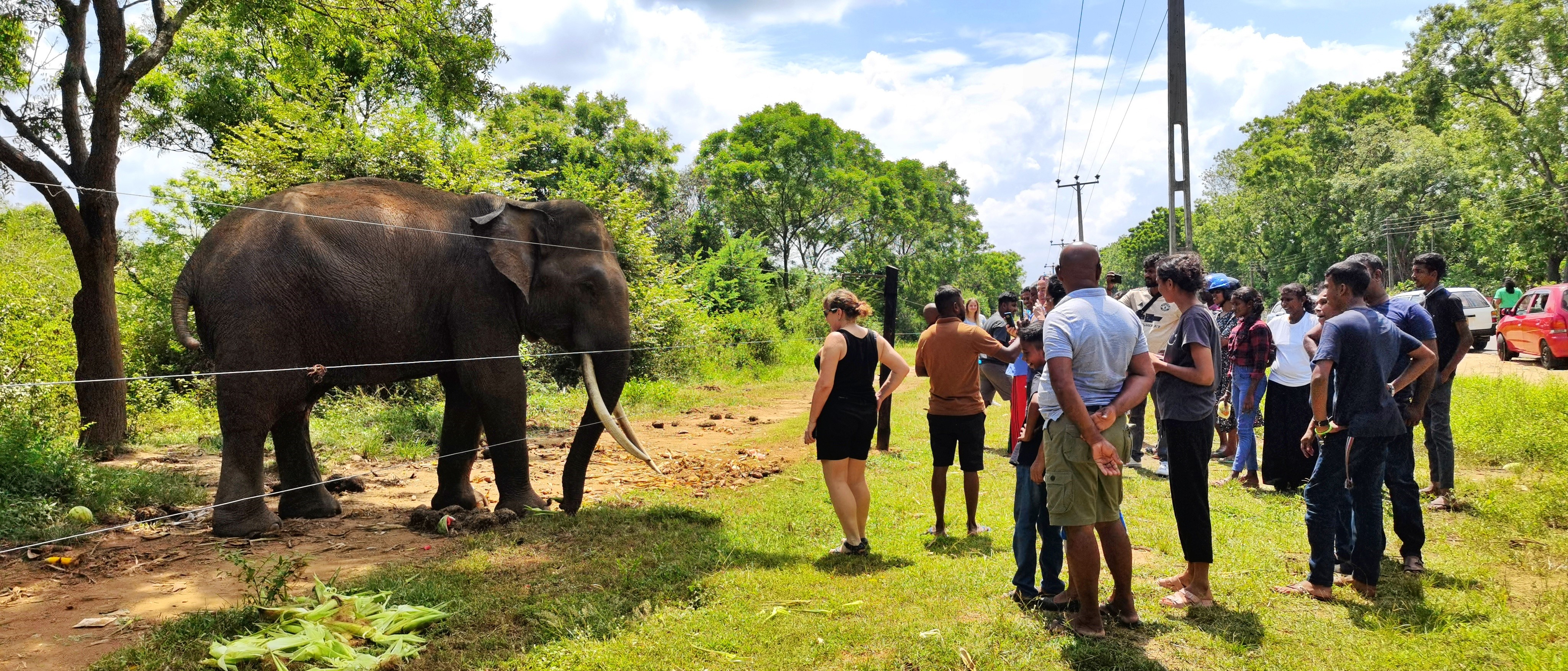
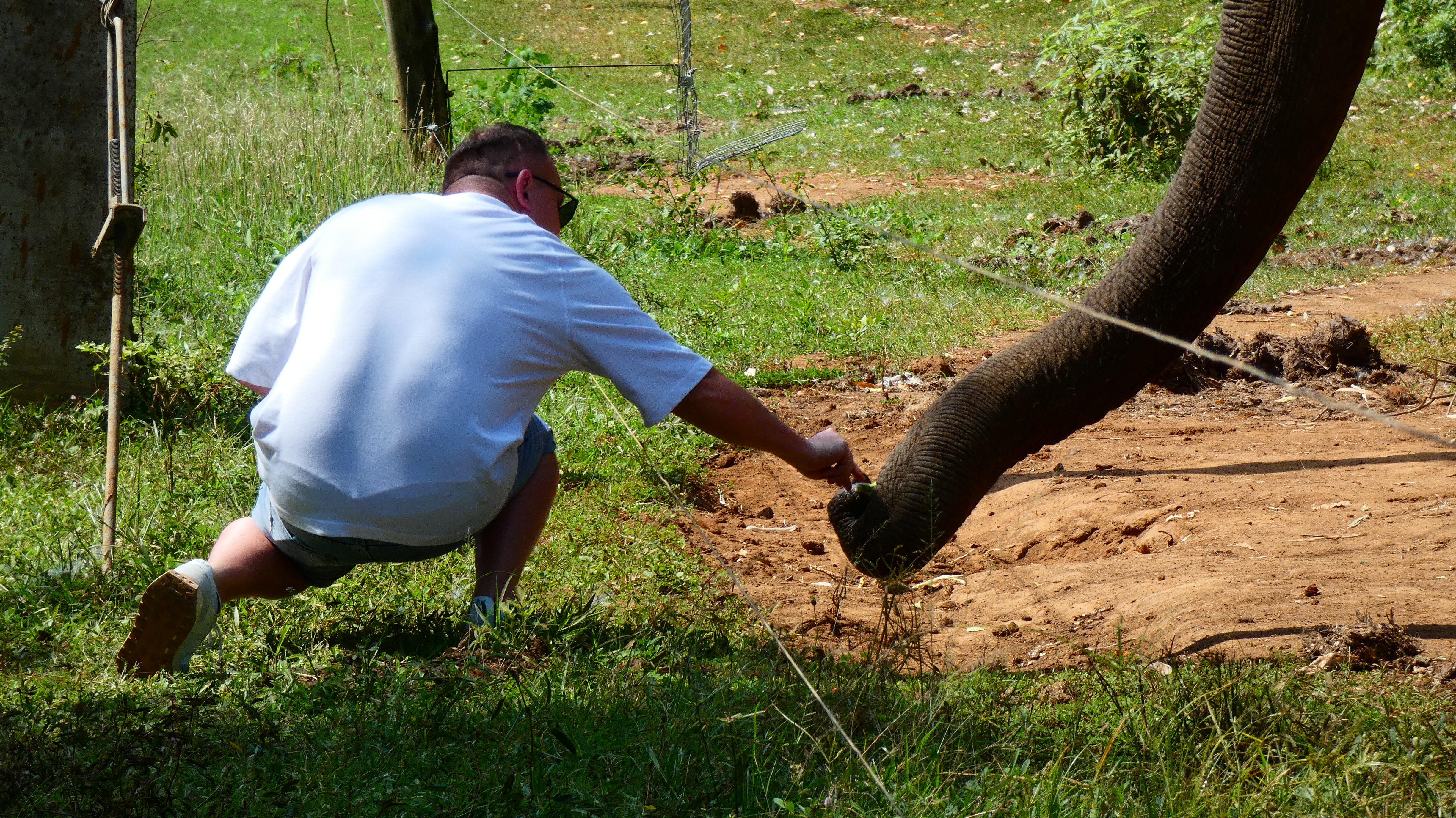
Tourist handfeeding a wild male Asian elephant alongside the double electric fence at the edge of Udawalawe National Park, Sri Lanka. (Note the slender metal fence post in the centre of the image, to the right of the larger original wooden fencepost. The second fence was an attempt to mitigate elephants breaking through the fence. A determined elephant can still break both.)
Tour operators, driven by the promise of easy elephant sightings and happy tourists, have little incentive to stop the practice. And despite formal bans on feeding in most countries, enforcement is rare. As a result, a growing subset of elephants is becoming “food-conditioned,” often more daring, and ultimately more vulnerable.
This isn’t just an elephant problem. It mirrors issues with bears in North America, macaques in Sri Lanka, and marine mammals worldwide. Across species, food provisioning by tourists leads to aggression, habitat changes, disease spread, and often, death for wildlife and occasionally for people.
For a species like the Asian elephant, with fewer than 45,000 left in the wild, every behavioural change we cause has the potential to ripple into their future survival, and these risks are catastrophic.
The Rambo Effect: How One Elephant’s Habit Spread
In Udawalawe National Park, long-term elephant research has revealed the alarming impacts of tourist feeding. From 2007-2023, the Udawalawe Elephant Research Project (UWERP) identified 439 male elephants at the park’s electric fence-line (from a population estimate of 448-750 adult males). Of these, 66 individuals (9-15% of the estimated male population) were observed begging from tourists. Among them, one individual has become infamous: Rambo.
Rambo makes his way to the buffet line…
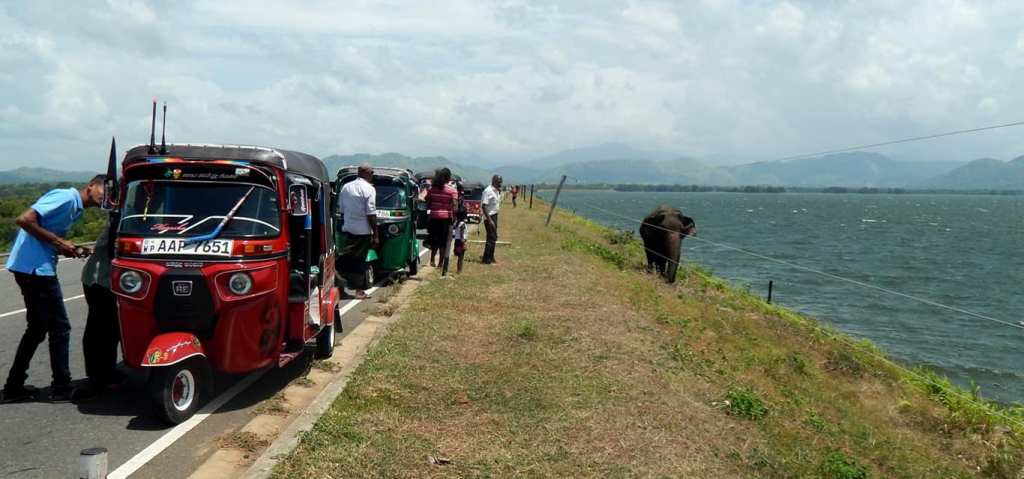
Rambo began “begging” from tourists before there was even a fence. Over 17 years, the UWERP team have consistently observed him at the same stretch of road, collecting fruit from visitors. For a time, he seemed harmless, passive, even endearing. Remarkably, even during musth, which is a heightened reproductive state in male elephants typically roam widely searching for estrous females, Rambo sometimes remained localized near the roadside feeding site.
The UWERP had long worried that tourists feeding Rambo sugary fruits like mangoes and bananas was having nagative consequence on his health, potentially leading to diabetes. Wild Asian elephants typically eat vastly more diverse, high-fibre, low-sugar vegetation. Rambo’s chrhonic eye discharge (noticed over ten years ago) may have been a sysmptom.
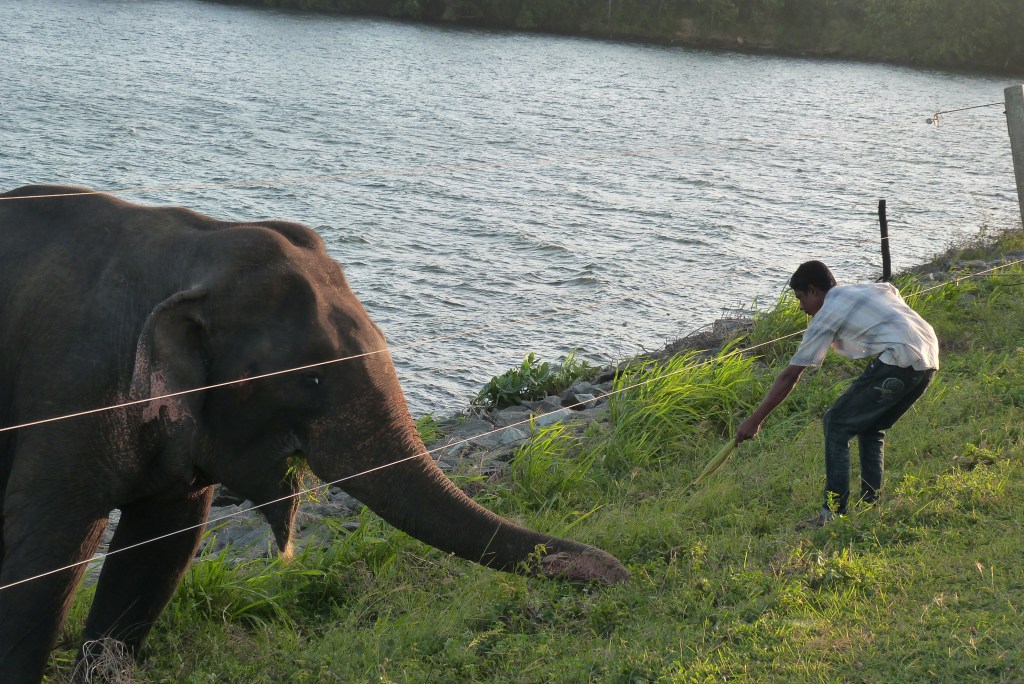
Rambo’s ocular discharge visible as he begs for corn at his usual spot by the resevoir
By 2020, everything changed. When tourism collapsed during COVID-19, Rambo began breaking fences and raiding nearby sugarcane fields at night. He even breached a power station compound. Local conservationists worked tirelessly to prevent his capture during this challenging period. Injured twice by people and potentially exposed to dangerous materials like plastic-wrapped fruit, Rambo exemplifies how food provisioning escalates elephant behavior into increasingly risky territory. His story reveals the complex social dynamics of male elephants and how human interference can disrupt natural behaviors. Tragically, he hasn’t been seen since April 2023; at the time, he was approximately 53 years old.
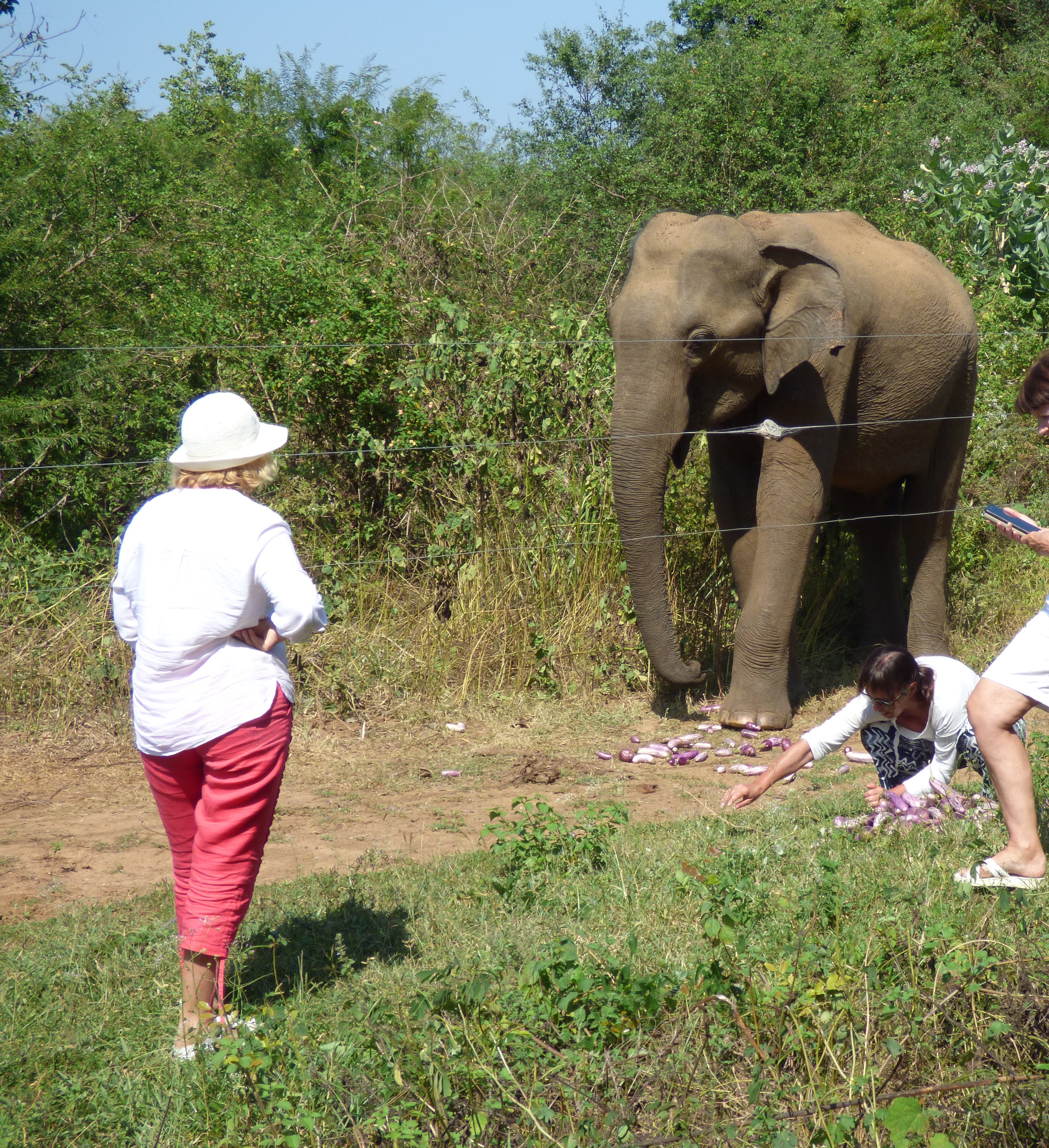
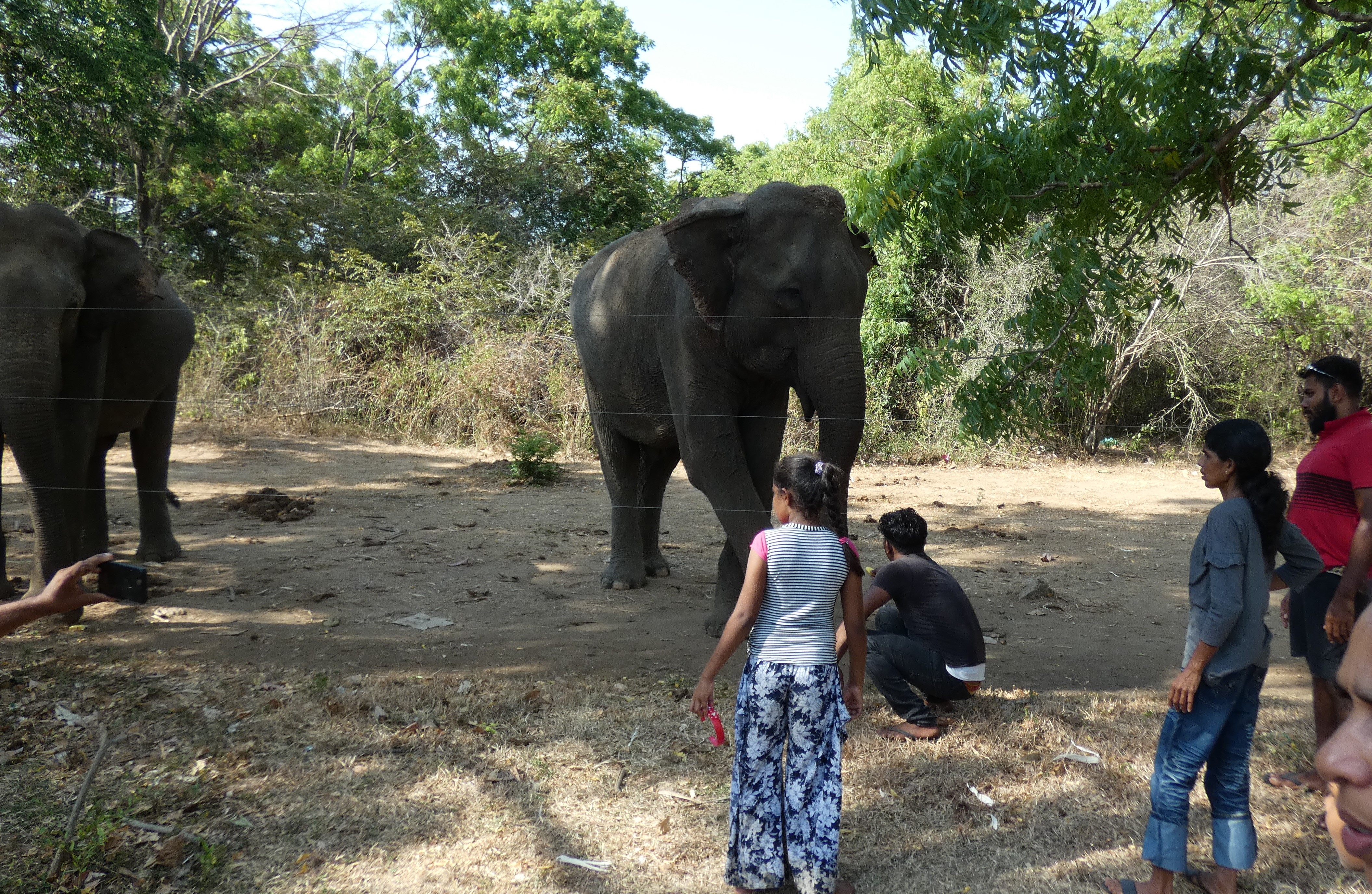
Wild male Asian elephants being fed along the park’s electric fence by local and foreign tourists.
After Rambo, other males followed suit. One died in a bus collision after fence-breaking. Another was shot. A third fell into a village well (although it’s unclear if he engaged in begging). And researchers have even found plastic bags in elephant dung near the fence. These are not isolated incidents; they’re predictable outcomes of long-term habituation. And the pattern is spreading.
India Experiences
In the Sigur region of India’s Nilgiri Biosphere Reserve, a different experiment in food provisioning has unfolded over 15 years. Between 2007 and 2022, eleven male elephants were habituated by tourists and lodge operators who fed them sugarcane and fruits to lure them into view.
Four of those elephants died from causes linked directly to human interaction, including wounds, poisoning, and one fatal attack by resort staff.
The survivor with the most extraordinary story is Rivaldo, a tusker who lost a portion of his trunk to an explosive device. His trust in humans, cultivated through feeding, made it possible for veterinarians to treat him multiple times. But in 2021, citing safety concerns, officials captured Rivaldo and confined him to a kraal.
Public outcry and legal action secured his release. A structured rehabilitation effort followed, with forest guards monitoring him and preventing further provisioning. As of 2024, Rivaldo is thriving, being healthier, independent, and rarely entering villages.
When tourism halted during the COVID-19 lockdown, five of six surviving elephants also stopped approaching people. This natural pause showed that food-conditioned behavior is reversible, but only with strong intervention and community cooperation.
In early 2024, workers at a local lodge attempted to restart elephant feeding. They were caught and arrested, a clear sign that vigilance and enforcement are still urgently needed.
Feeding Fuels a Dangerous Cycle
Feeding wildlife isn’t new, and elephants aren’t the only species. Around the world, species from bears to monkeys to dolphins have suffered from similar human behaviors.
In Sri Lanka, toque macaques (Macaca sinica) have become emboldened and aggressive after years of tourist handouts. In Japan, macaques fed to reduce crop-raiding have overpopulated and caused worse conflict. In Yellowstone, food-habituated bears had to be killed. And in marine parks, dolphins and whales fed for entertainment have injured people and each other.
Animals copy each other. And in long-lived species like elephants, these behaviors can become cultural, passed from mother to calf, peer to peer. Once a population starts associating humans with food, reversing that behavior becomes difficult and dangerous.
Health risks add to the equation. Tuberculosis has been documented in elephants, and close contact through feeding increases disease transmission. Plastic ingestion, diabetes-like symptoms from sugary foods, and metabolic disorders have all been recorded in provisioned wildlife.
Feeding is never just about food; it’s about changing entire ecosystems.
Breaking the Cycle: Solutions That Work
Across Asia, researchers and NGOs are showing that crops like chili, lemongrass, and citronella deter elephants while improving farm incomes. In Thailand, farmer participation in BTEH’s program is growing. In Sri Lanka, similar experiments are underway. A 2024 study found that these crops not only reduce conflict but also outperform traditional ones economically. When communities own the solution, coexistence becomes a shared goal.
It should also be considered that elephants need room to move. In Nepal, GPS collar data is helping map “elephant highways”, safe transboundary corridors between parks. This data-driven approach helps prevent tragic events like poisoned elephants found near towns. The future lies in maintaining landscape connectivity, not creating isolated “islands” of protected land.
Apart from all that, science must lead policy. Dr. Shermin de Silva’s book Elephants: Behavior and Conservation emphasizes the need to integrate elephant culture and cognition into management decisions. Multi-country collaborations, Trunks & Leaves, BTEH, and Forest Action Nepal are already modeling this shift.
Policy frameworks need to reflect behavior, not just boundaries. And tourism must be reimagined: not as a spectacle, but a tool for education and sustainable livelihoods.
Feeding bans alone aren’t enough. We need systems that support better choices.
What Can You Do to HelpToday…
The solution isn’t complicated; it’s commitment. Here’s how you can make a difference.
The air is fresh, there is a light dew on the leaves, and the first shafts of the morning sun pierce the tree cover as our team heads out to the field. These calm mornings in the field typically start the same way, but they disguise the complexity and challenges faced at night by many of the farmers we are off to meet. Mornings for these farmers mean an interlude between nights spent defending their crops from elephants and days of hard work maximizing the production of the same crops.
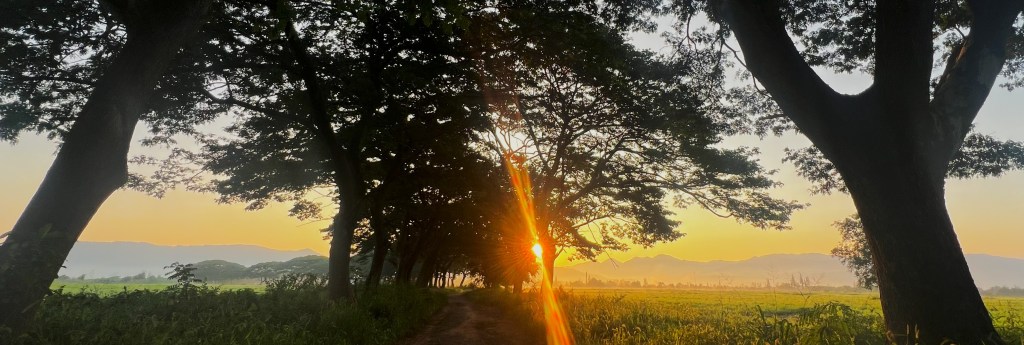
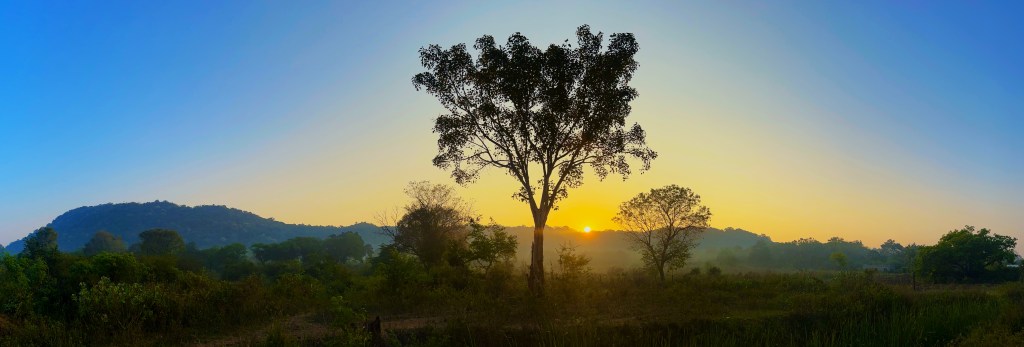
Thailand sunriseSri Lanka sunrise
My research covers two locations with remarkably similar problems, even though an ocean separates them. Outside of Thailand’s Kui Buri National Park, farmers spend their mornings preparing pineapple fields for harvest, while across the Indian Ocean in Sri Lanka, farmers near Udawalawe National Park set out to monitor a variety of different crops. Though separated by thousands of miles, these communities share a common challenge: finding ways to thrive alongside Asian elephants in an increasingly crowded landscape.
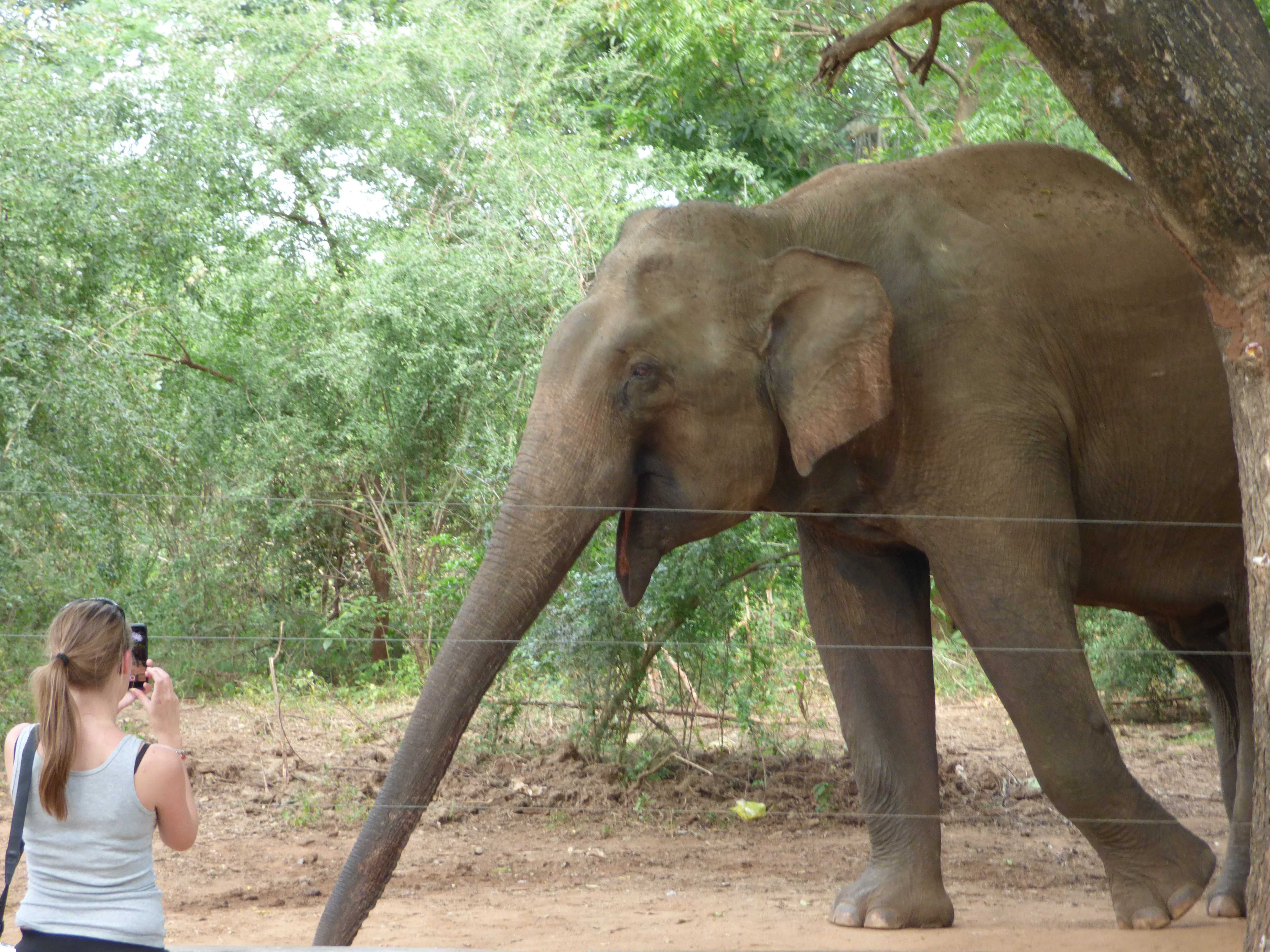
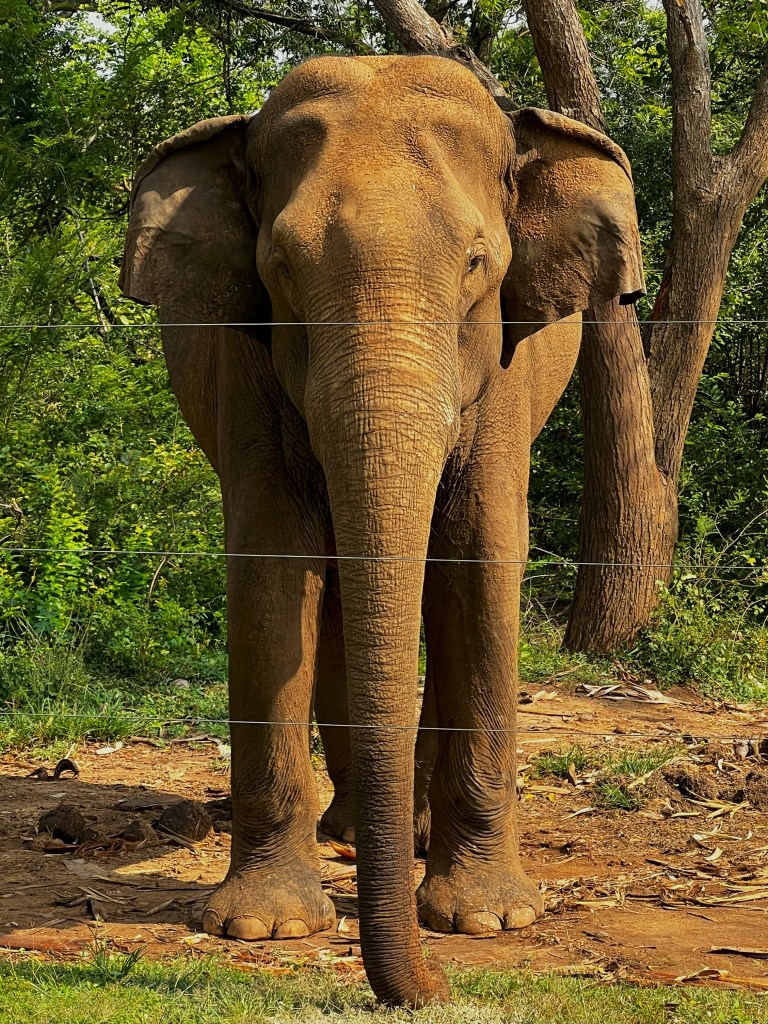
A wild Asian elephant waiting behind the Udawalawe National Park’s electric fence – for fruit from passing tourists.
As an elephant researcher working across these two distinct regions, I have a unique opportunity to compare how variations in historical contexts and cultural structures shape human-elephant interactions in real-time. While most scientific studies rely on comparing methods and results from published literature, our research teams simultaneously monitor these two sites to understand better how anthropogenic change, climatic variation, and regional stressors impact the complex and changing relationship between humans and elephants.
Research Sites and Local Partnerships
Our research spans two carefully selected field sites, each offering distinct insights into how humans and elephants are currently co-existing. In Sri Lanka, we work at a site established by Dr. Shermin de Silva in 2006, situated just outside Udawalawe National Park, which covers 308km2. Our Thailand field site borders Kui Buri National Park – a protected area more than three times larger at 969km2 – where our partners at Bring The Elephant Home (BTEH) have built strong community relationships over two decades. In both locations, Asian elephants and humans share resources, particularly in agricultural areas, but the historical context of these interactions varies dramatically.
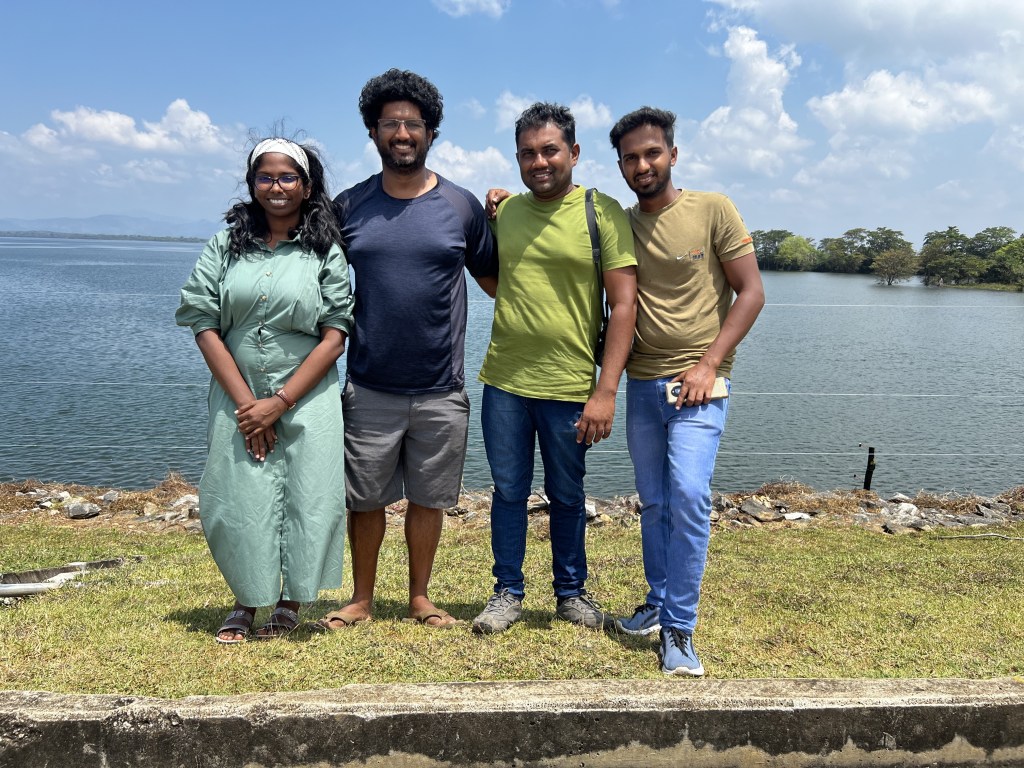
Above: Sateesh with the Sri Lankan UWERP team by Udawalawe reservoir. Below: Sateesh with the Thai BTEH team outside their field station.
A Tale of Two Histories
In Sri Lanka’s Udawalawe area, people have farmed alongside elephants for generations. The construction of the Udawalawe reservoir in 1972 led to the establishment of the national park. The area that became the park had primarily been a teak plantation rather than farmland, which meant that establishing the protected area didn’t require relocating large areas of farming communities – as can often be the case. The farmers who live around the park’s edges today are largely from families who have traditionally farmed the surrounding lands for generations, maintaining their agricultural practices and long history of living in proximity to elephants.
In contrast, Ruam Thai Village in Thailand represents a more recent human settlement. Established in the 1970s through a government initiative, the village brought together people from across Thailand to create a new community focused primarily on pineapple cultivation, two decades before the area would be designated as Kui Buri National Park in 1999. The crop’s high international market value made it economically attractive, and it also drew interest from local elephants. The tragic deaths of two elephants from poisoning and gunshot wounds in the late 1990s prompted His Majesty the King of Thailand to establish Kui Buri as a protected area specifically for elephant conservation. However, recent research by the Udawalawe Elephant Research Project (UWERP) and Trunks & Leaves team has revealed that elephants in both locations typically spend only about 50% of their time within national park boundaries, highlighting the critical importance of understanding and supporting coexistence in the surrounding landscapes. (See Annie’s blog on How Elephants in Sri Lanka Use Protected Areas here.)
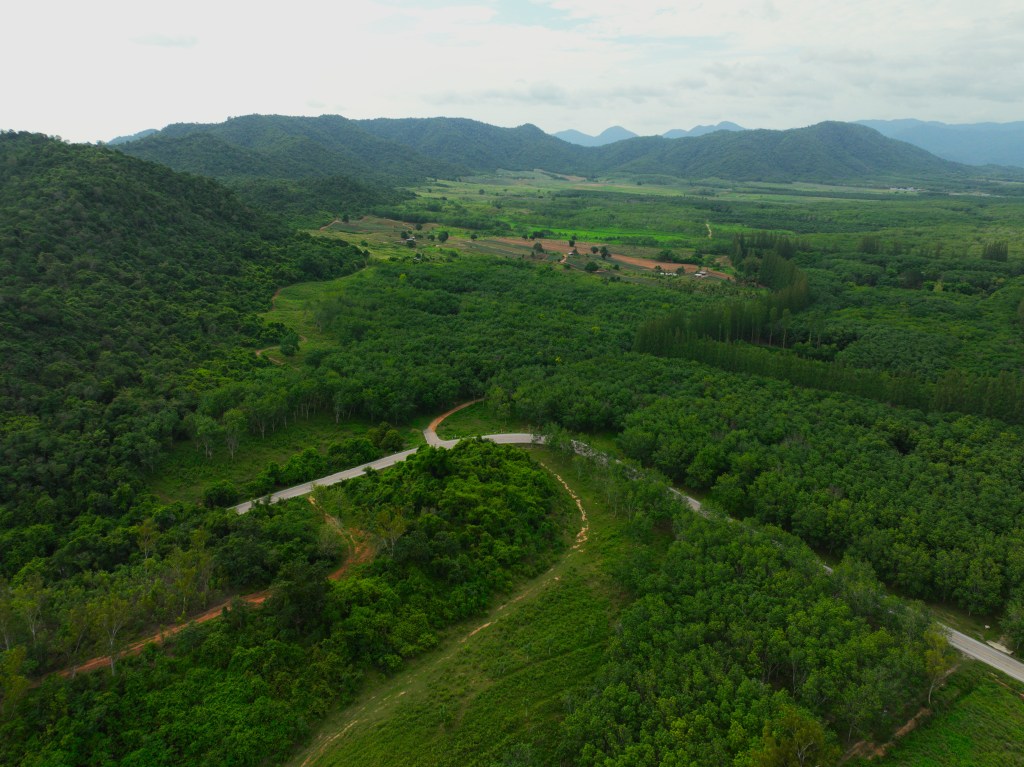
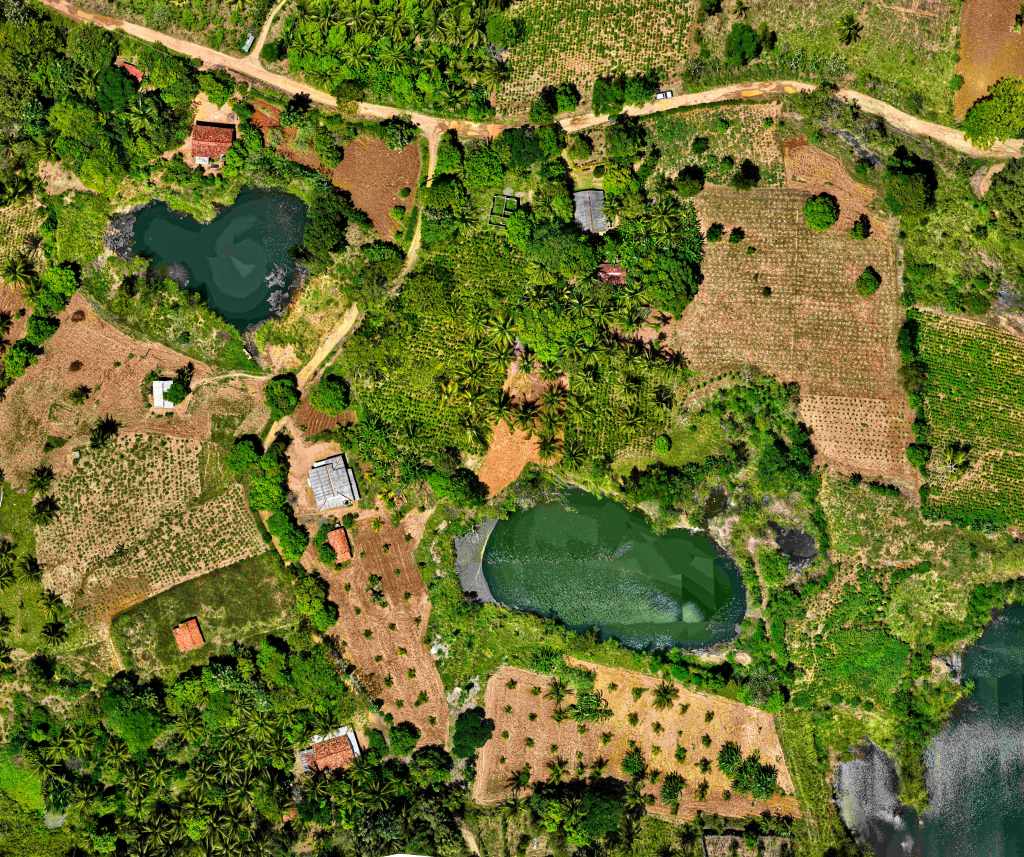
Ruam Thai village’s farming zones alongside Kui Buri National Park, Thailand. Patchwork farming plots around Udawalawe National Park, interspersed with houses and forest fragments.
These different historical trajectories have shaped distinct landscape patterns. Sri Lankan farms form a patchwork of individual plots interspersed with houses and fragments of forest, reflecting generations of land division and management. Ruam Thai’s layout is more structured, with a centralized residential area separated from a consolidated farming zone that borders the protected area.
Elephant Memory and Cultural Heritage
Over an elephant’s 60-year lifespan, they build up an extensive catalog of experience across a vast landscape. Due to the social complexity of elephant culture individual experiences become part of a vast assemblage of experiential knowledge that crosses generations. We’re discovering that elephant populations may develop distinct “cultures” influenced by their interactions with human communities over generations. In Sri Lanka, for instance, elephant family groups demonstrate sophisticated knowledge of traditional movement corridors that predate current human settlements. Meanwhile, in this area of Thailand, elephants show different patterns of adaptation to the more recently established agricultural landscape.
The concept of generational learning adds another layer to this complex relationship. Like humans, elephants can pass on behavioral responses to past experiences. In both locations, we’re observing how historical interactions influence current elephant behavior and how these learned responses might be transmitted to younger generations.
Pathways to Harmonious Coexistence
While the challenges in each location are unique, our ultimate goal remains constant: creating environments where both humans and elephants can thrive together. In Sri Lanka, this means building upon generations of traditional knowledge about elephant movement patterns. In Thailand, it involves developing new strategies that account for the more recent nature of human-elephant interactions.
Current initiatives in both locations show promise. Sri Lankan farmers are experimenting with crops less appealing to elephants that will allow them to use the same land, while maintaining historic elephant pathways through their lands. In Thailand, community-led initiatives in high-conflict areas are exploring converting pineapple fields to organic alternative crops that will reduce conflict and improve healthy farming.
Looking Ahead
As our research continues, we’re working to understand what successful coexistence looks like in these different contexts. Can the traditional knowledge of Sri Lankan communities inform new approaches in Thailand? Might Thailand’s community-centered development model offer insights for Sri Lankan villages? By studying these questions across two distinct cultural and historical settings, we hope to develop more nuanced and effective approaches to fostering positive human-elephant relationships.
The path to harmonious coexistence requires patience and understanding, but studying the shared histories of humans and elephants in each landscape provides crucial insights for future conservation efforts. As we continue our research, one thing becomes clear: successful conservation strategies must honor both the human and elephant histories that shape each unique landscape.
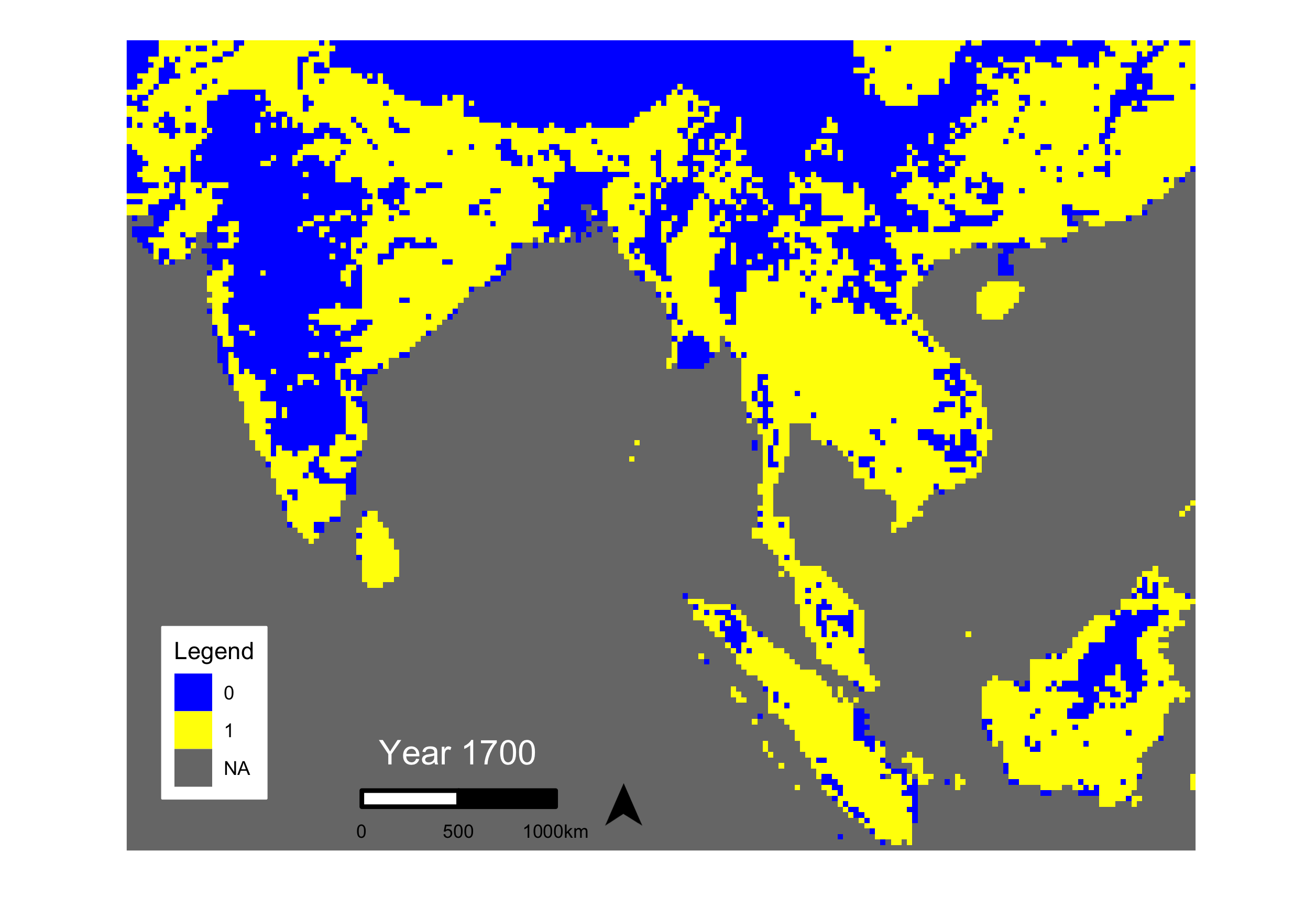
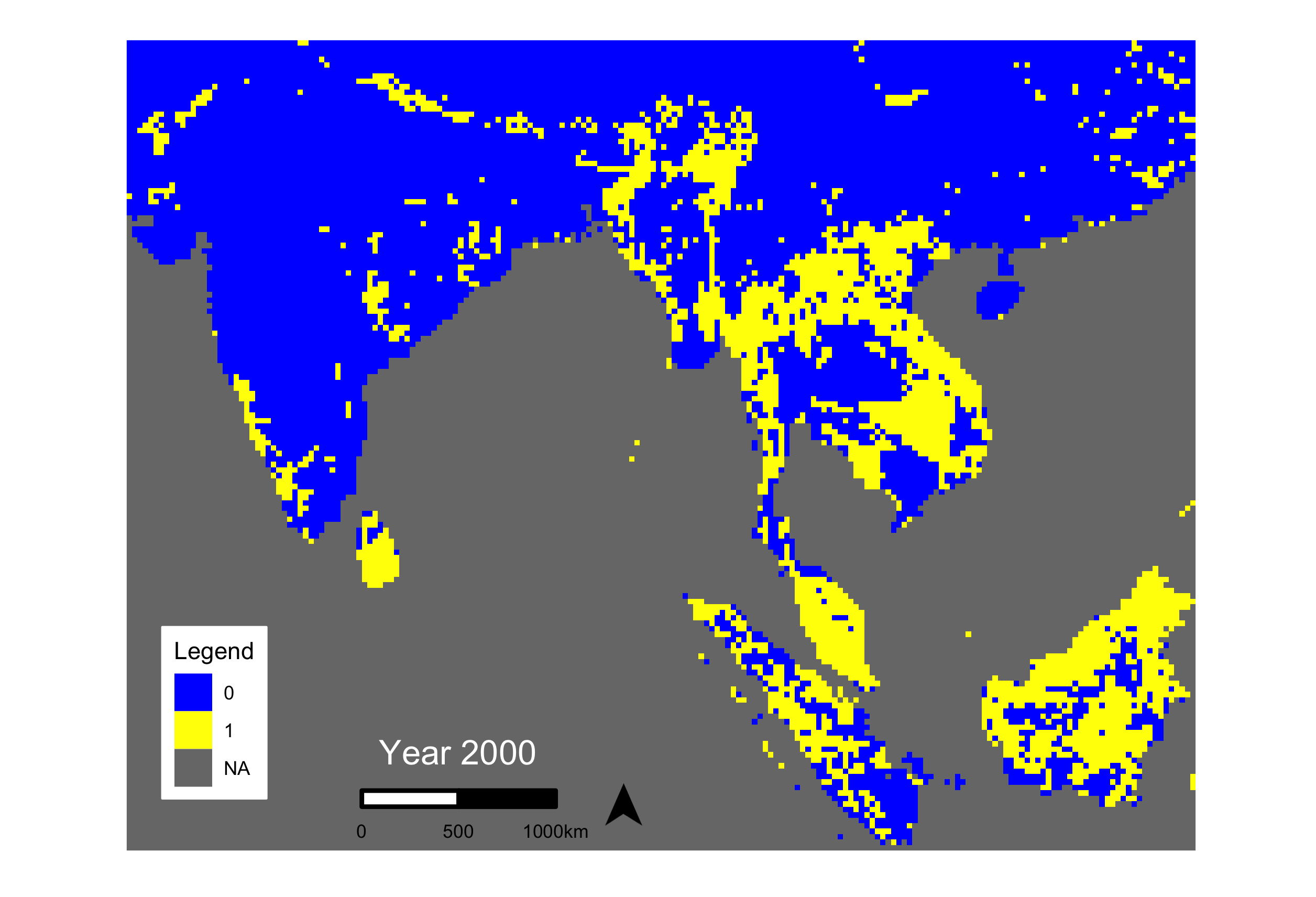
This slider shows areas containing habitat for elephants (yellow) in the year 1700 vs. 2000.
Where Did The Elephant Habitats Go?
The bulk of conservation efforts center around protected areas as the primary means of safeguarding wildlife and wild places. This is in response to recognizing that human activities are altering the face of the earth at an alarming pace, leading to the loss and fragmentation of habitat for numerous species. Often, our attention is on proximate threats and especially on particular biomes, such as forests. But over what sort of timescale and what sorts of ecosystems have these changes actually been taking place? In order to protect the biodiversity we have today, we have to really understand the processes that maintain them and how we got to where we are.
Asian elephants provide a good perspective on the problem. I’d heard some conservation organizations state that elephants had lost as much as 90% of their historic range, but I couldn’t find a single scientific reference that showed this. Was it true? When I first saw their distribution on a map, I got curious – though classified as a single species, Asian elephant populations occupy many different types of landscapes ranging from grasslands to rainforests that are now cut-off from another. At one time, these disparate populations must have been joined together and if we could reconstruct what happened to these habitats over time, we would have part of the answer. So, I enlisted a team of collaborators to find out exactly when and where elephant habitats started disappearing. In a way, you can think of elephants as being ambassadors for these ecosystems (a reason they’re referred to as “flagship” species). But we couldn’t know exactly where elephants or their habitats had been simply by looking at maps or records directly, so we needed a different trick.
At the beginning of 2022, no one would have anticipated Sri Lanka’s year to be so dire (and that’s saying something after the anguish from the global pandemic we all shared in!). The country suffered from one of its most severe economic crises – there was no fuel, extended power cuts, no fertilizer, no food crops, no tourism, and the list goes on… With no political and economical stability, Sri Lanka was looking over the precipice of a terrible crisis. Given Sri Lanka’s demographics, the majority of the people in rural areas are farmers and they were severely affected by these difficult times.
Jasmine (center left with pink ears), in 2012 with her calf Josh.
From Shermin:
When I first started the project in 2005, I was touched to see the relationship between an inseparable pair of elephants. The elder, who I named Janet, was toothless and slender, clearly a grandmother who was peacefully nearing the end of her long life. The other, who looked almost exactly like a younger version of her, was in the peak of her life. I thought this must be her daughter, somewhere in her twenties perhaps. I named her Jasmine, after my favorite flower, because I thought her so pretty with her perfectly triangular and symmetric pink-edged ears. She was perfectly proportioned, a textbook example of elephant-ness. They went everywhere together, drifting in and out of a larger social group that I thought might be a single family.
Elephant behavior has long endeared the public. From complex social structures to tool use, hearing stories about behavior not only teaches about fantastic ecological adaptations, it shows a window into elephant’s lives that we can understand and relate to on a personal level. Showcasing behaviors has often been used to help elephant conservation. However, behaviors are sometimes disconnected from how managers actually conserve elephant populations. In a new study, we examine elephant space use behavior in the hope that it can directly inform management practices.
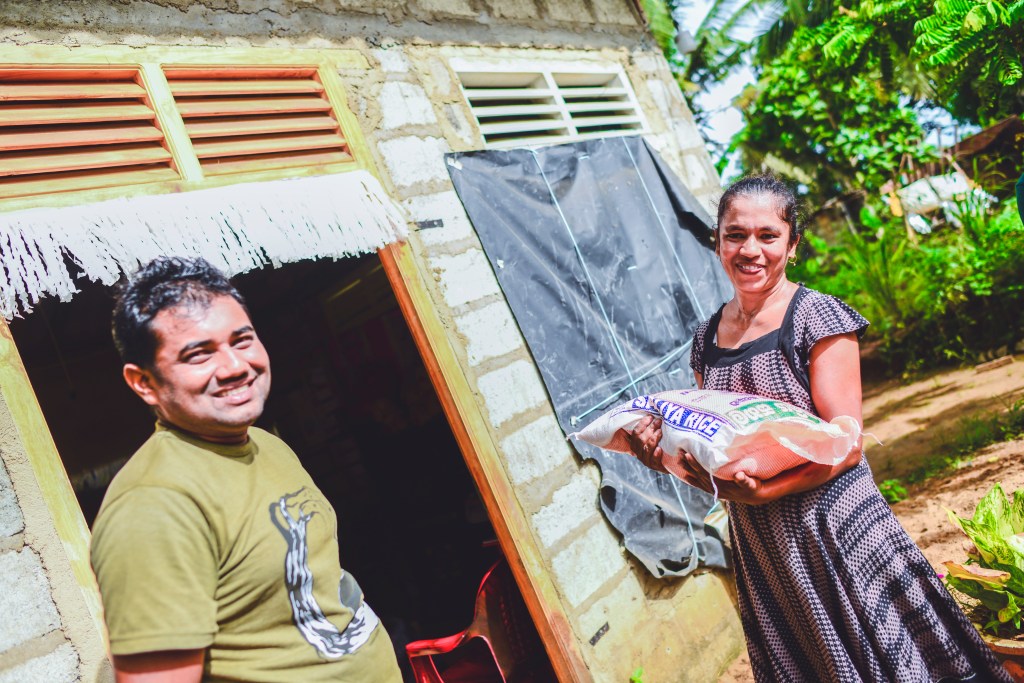
UWERP’s field technician, Janaka, delivering a month’s supply of dry rations to a rural Sri Lankan family
The story so far…
Over the last few months, Sri Lanka’s economy crashed and the island nation is now facing its worst economic crisis in history. For Sri Lankans, the crisis has turned their daily lives into an endless cycle of waiting in lines for basic goods – many of which are being rationed. Why is this happening?
The main reasons are loss of foreign currency due to COVID’s impact on tourism, and mismanagement of the country’s predominantly agricultural economy. Foreign reserves have been reduced by roughly 85%, grinding daily life to a halt. There are huge lines for fuel (for transport) and gas (for cooking). The lack of fuel also affects the country’s power supply, with people facing up to 16 hrs of power cuts daily. The lack of fuel has created a shortage of vegetables in the market and thus the prices have shot up by 30-80%. Additionally, as the country cannot afford imports, products like butter and milk powder are now unavailable. The Sri Lankan Medical Association has also stated that medical supplies are running low and by the end of April, Sri Lanka ran out of key medicines and medical supplies.
Visual monitoring of wild animals has been modernized over the years through technologies such as high definition photography and camera trapping[1]. Researchers can now document populations, movement, and behavior of certain species using large volumes of data over longer periods[1,2]. These tools aid population research, but photo-identification still relies on our ability as humans to distinguish certain features of individuals[3]. Because identification remains a manual task, extracting information from visual data can be expensive and time-consuming[4]. (Read our previous blog on UWERP’s EARS – Elephant Attribute Recording System – IDs Database here).
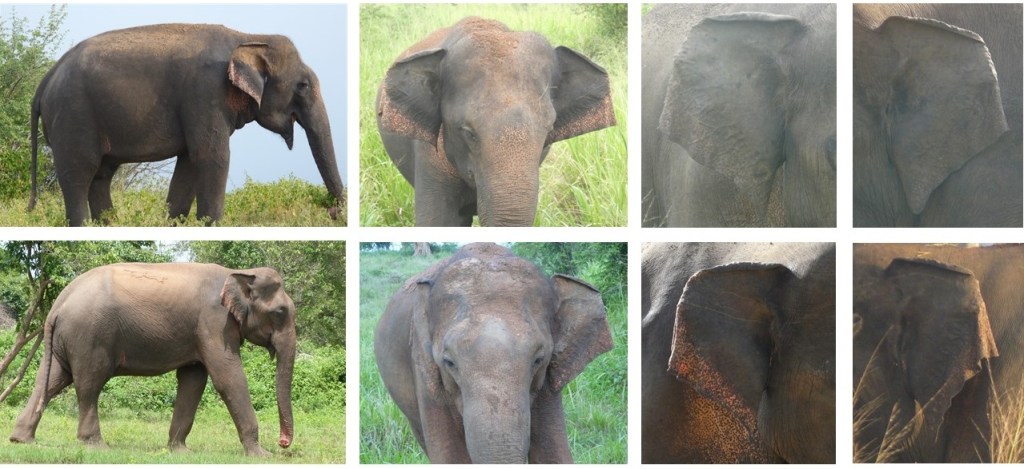
MSc student, Elgiriyage de Silva, at the University of Colombo, is lead author on their recently published CNN study, alongside others including Dr. Shermin de Silva and Udawalawe Elephant Research Project’s (UWERP) Research Supervisor, T.V. Kumara. The study made use of CNN in order to determine the feasibility of such technology to identify Asian elephants, and used 10 years of labeled photographs of wild Asian elephants collected by the UWERP study. The researchers considered full body, face, and ears as three points for individual identification. Two techniques namely Training from Scratch (TS) and Transfer Learning (TL), which made use of a pre-trained model, were applied to five CNN models: Xception, Inception V3, VGG16, ResNet50, AlexNet. These models were evaluated for their efficiency in correctly identifying an individual as the top candidate or including the correct individual among the top five possible candidates[3].
Caption: Photos of male 006 showing all three types of images used in the study – body, face and ears. Clearly photos of even the same individual can look very different based on angle, lighting and movement!Continue reading →

 Maximus